Tracking armed violence trends
Behind every data on armed violence is a community affected. In 2025, SEESAC's Armed Violence Monitoring Platform continued to transform individual incidents into a regional evidence base that helps authorities foresee risks, respond effectively, and design effective policies and prevention measures.
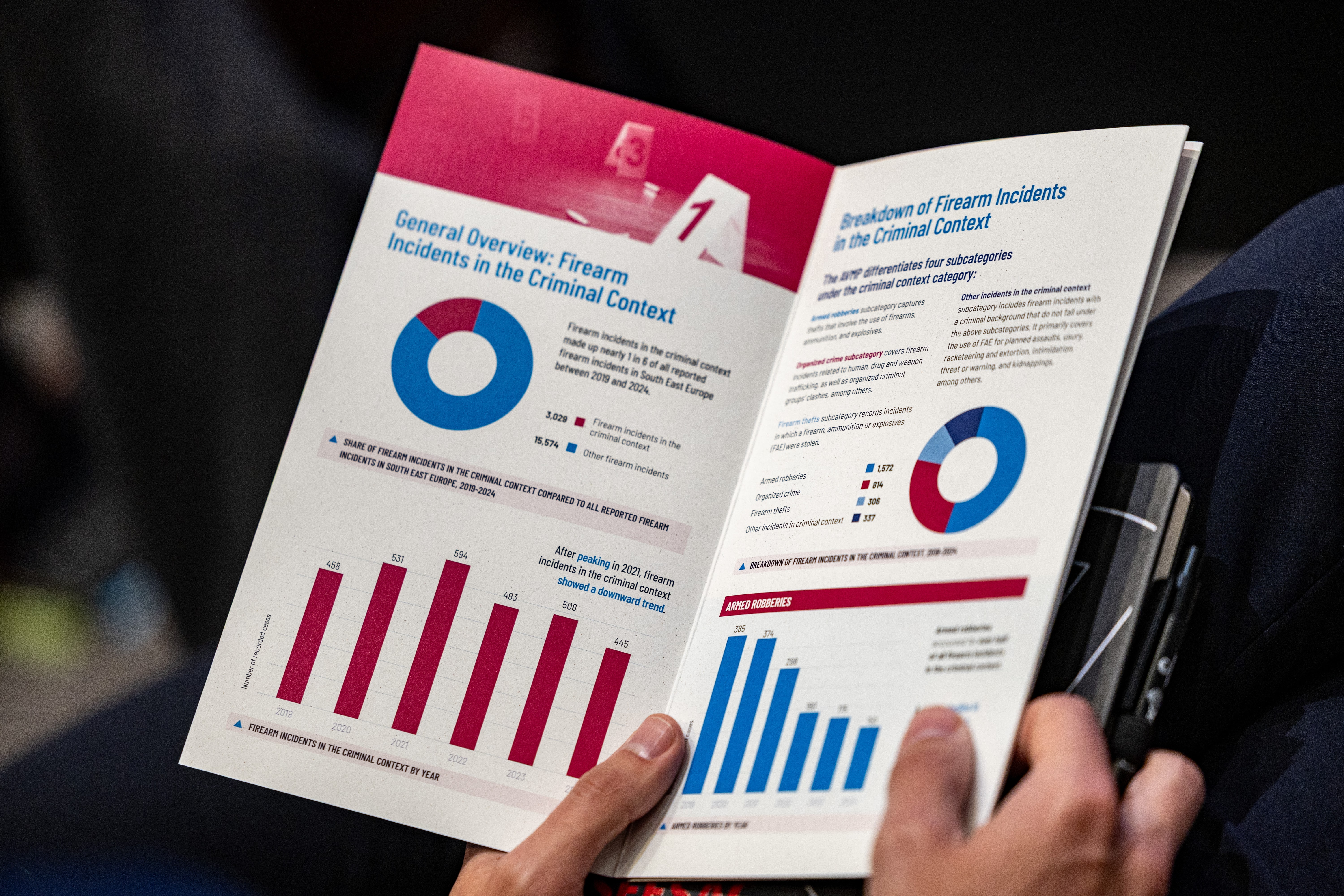
Throughout the year, firearm incidents continued to be closely monitored across the region. By the time of reporting, over 3,300 firearm-related incidents had been recorded, with weapon seizures accounting for more than half of all cases, reflecting sustained preventive and enforcement efforts by law enforcement authorities.
Despite these actions, the human cost of firearms remains significant. More than 110 people lost their lives, over 300 were injured, and nearly 400 were threatened as a result of firearm use in 2025, underscoring the continued need for coordinated action, early prevention, and evidence-based policy responses.
Regional cooperation
Throughout 2025, regional cooperation continued to play a central role in advancing SALW control, creating space for strong partnerships, steady information exchange, and coordinated action in response to shared security risks.
Tirana
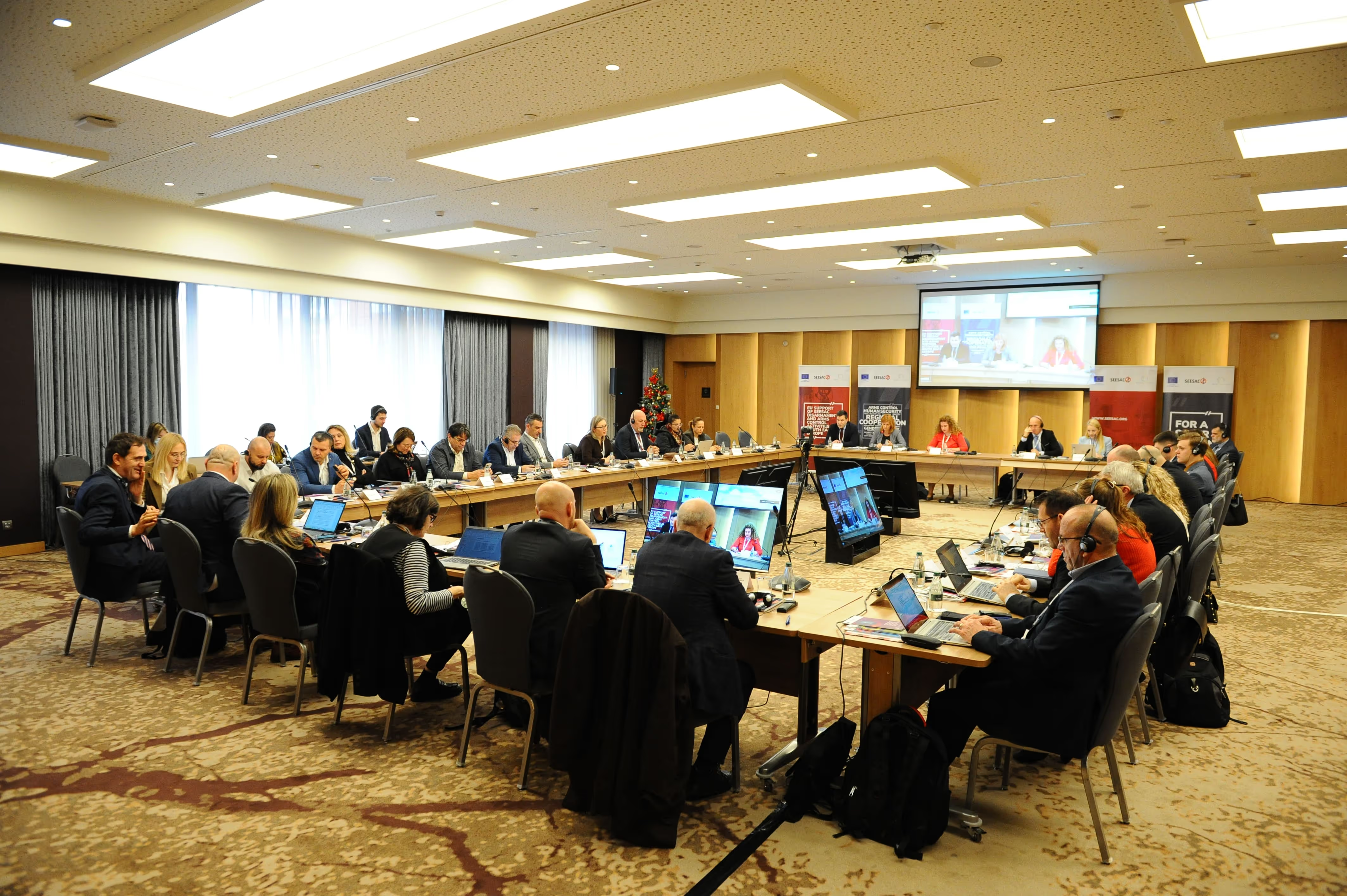
22nd Meeting of the Small Arms and Light Weapons Commissions
Cooperation across the region is driven through two well-established platforms - the regional process of SALW Commissions and the Southeast Europe Firearms Expert Network (SEEFEN). With regular meetings and continuous exchange, they bring together representatives from the Western Balkans, the Republic of Moldova, and Ukraine, contributing to enhanced regional security.
Regional process of SALW Commissions
Tirana
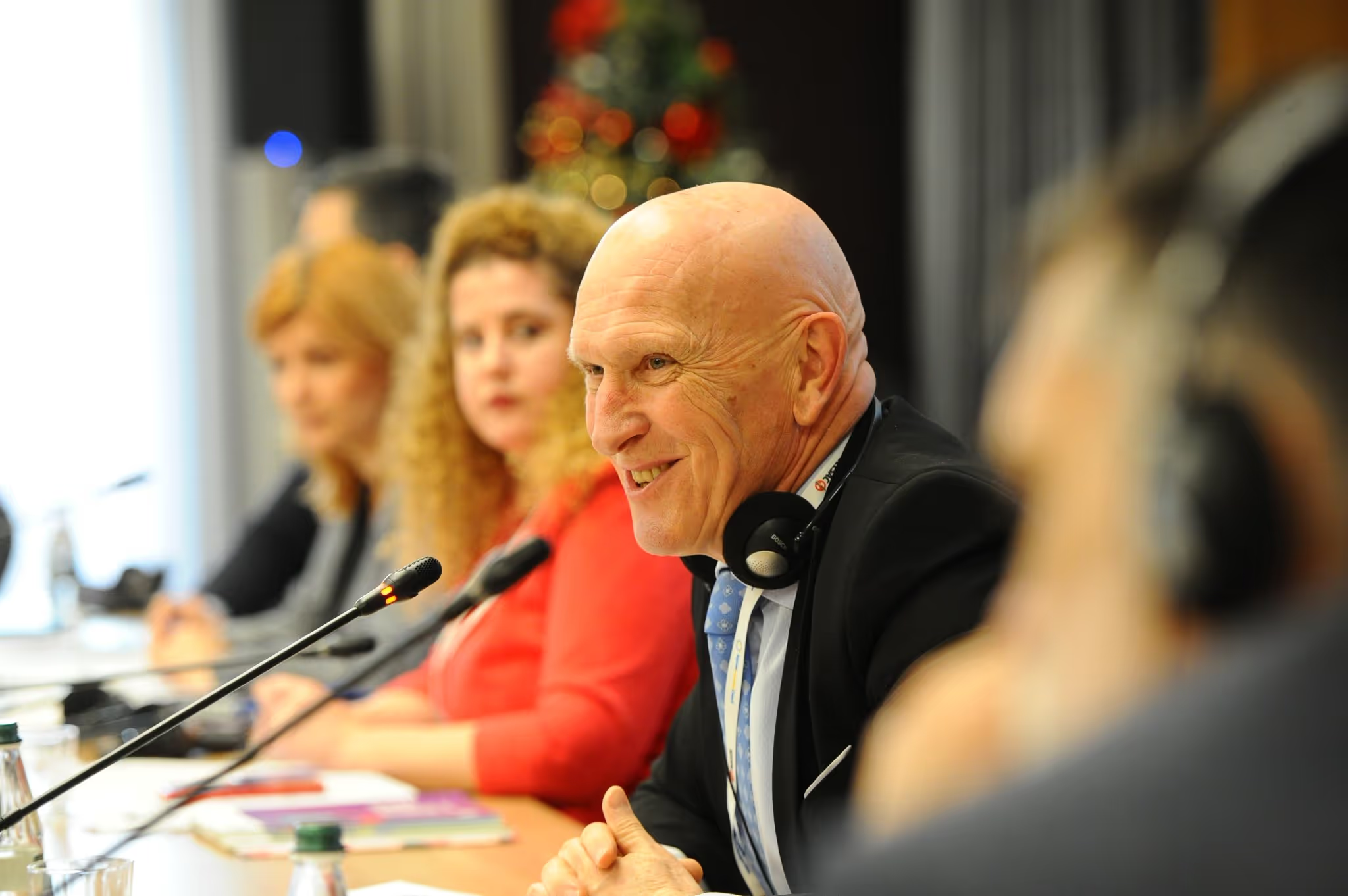
22nd Meeting of the SALW Commissions
The regional process of SALW Commissions remained the central policy-level platform for SALW control cooperation in South East and East Europe in 2025. Established as inter-ministerial bodies in each jurisdiction, SALW Commissions play an essential role in planning, coordinating, and monitoring all arms control activities.
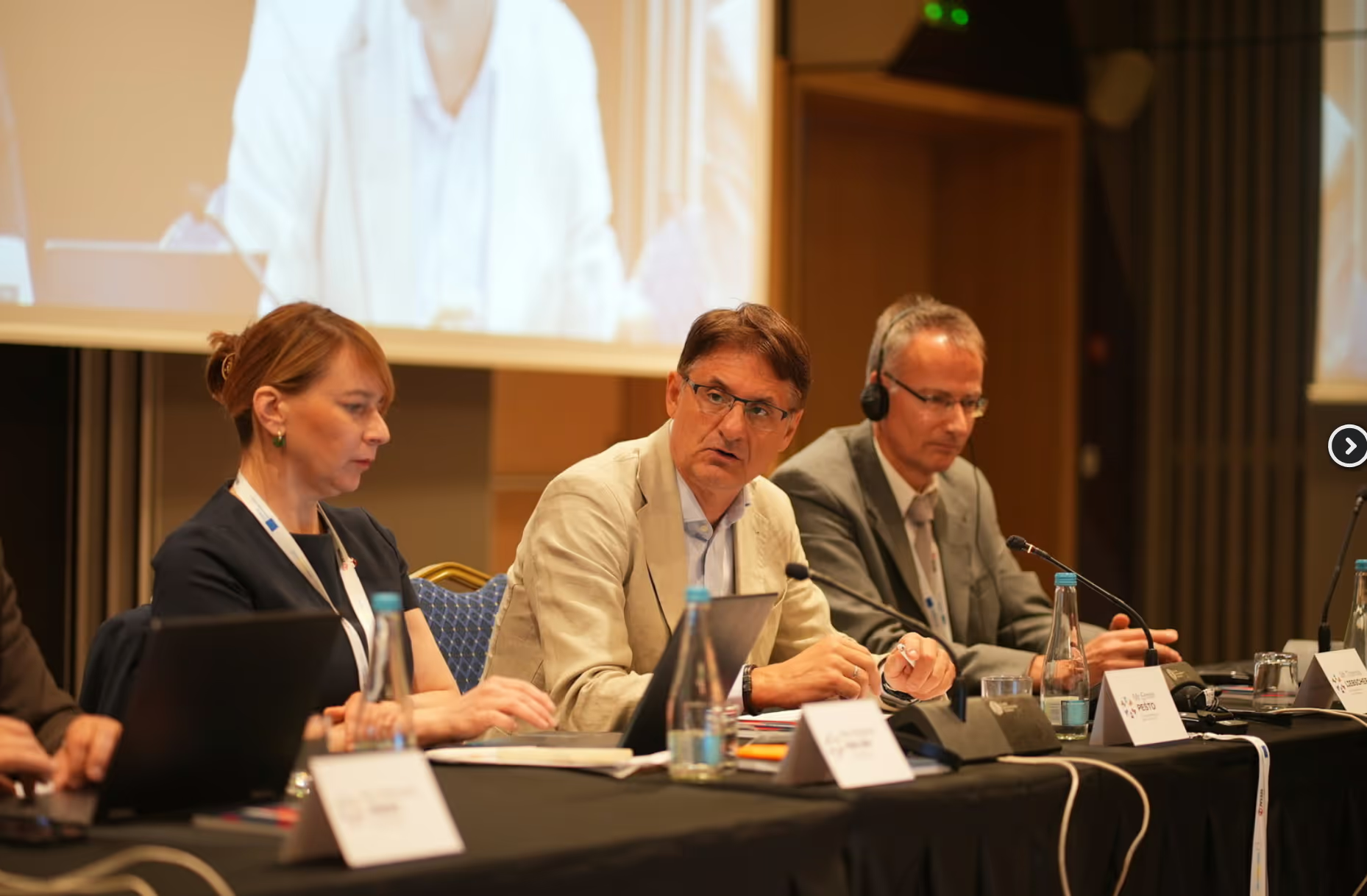
Sarajevo
21st Meeting of the SALW Commissions
The
21st and
22nd regional SALW Commissions meetings organized in 2025 provided a platform for sharing expertise, best practices, and experiences, enhancing strategic planning, and fostering a preventive approach to SALW control.
Southeast Europe Firearms Expert Network

Skopje
22nd Meeting of the South East Europe Firearm Experts Network
Southeast Europe Firearms Expert Network (SEEFEN) continued to serve as the region's key operational cooperation platform for countering illicit firearms trafficking. Bringing together criminal police, ballistic experts, customs administrations, border police, and prosecution offices, the network enables practical, case-based cooperation and real-time information exchange across the region.
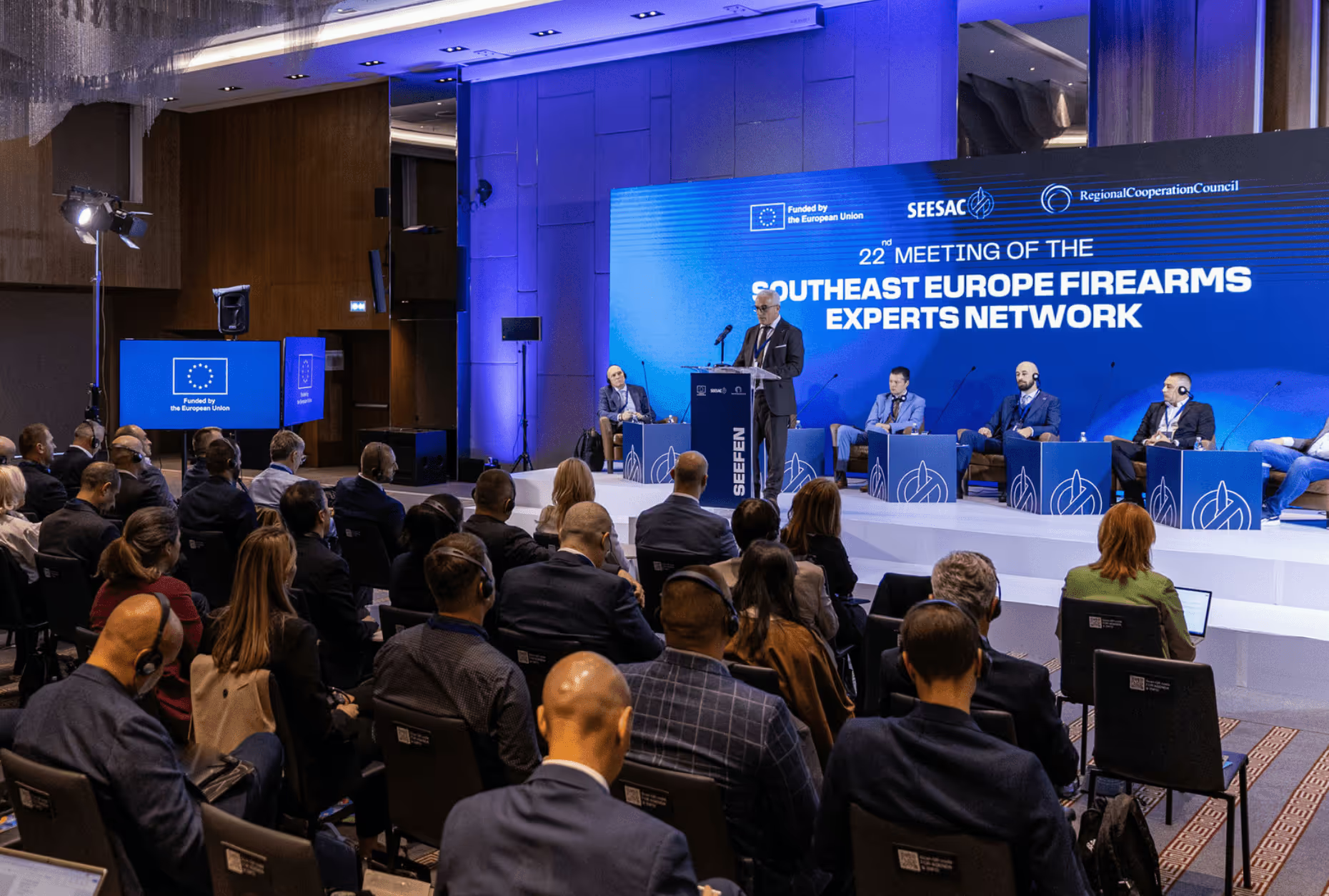
Skopje
22nd Meeting of the South East Europe Firearm Experts Network
The
22nd meeting focused on emerging technologies and artificial intelligence influencing SALW control, the growing use and misuse of drones, forensic innovations, ethical and legal implications of using new tools, regional data-sharing on seizures, and coordinated responses to prevent, detect, and disrupt evolving firearm trafficking threats.
Advancing legislative and policy frameworks
In 2025, SEESAC further supported authorities across South East and East Europe in advancing SALW and civil use of explosives control legislation in line with EU Acquis and international obligations, combining expert assistance, targeted gap assessments, and dedicated workshops.
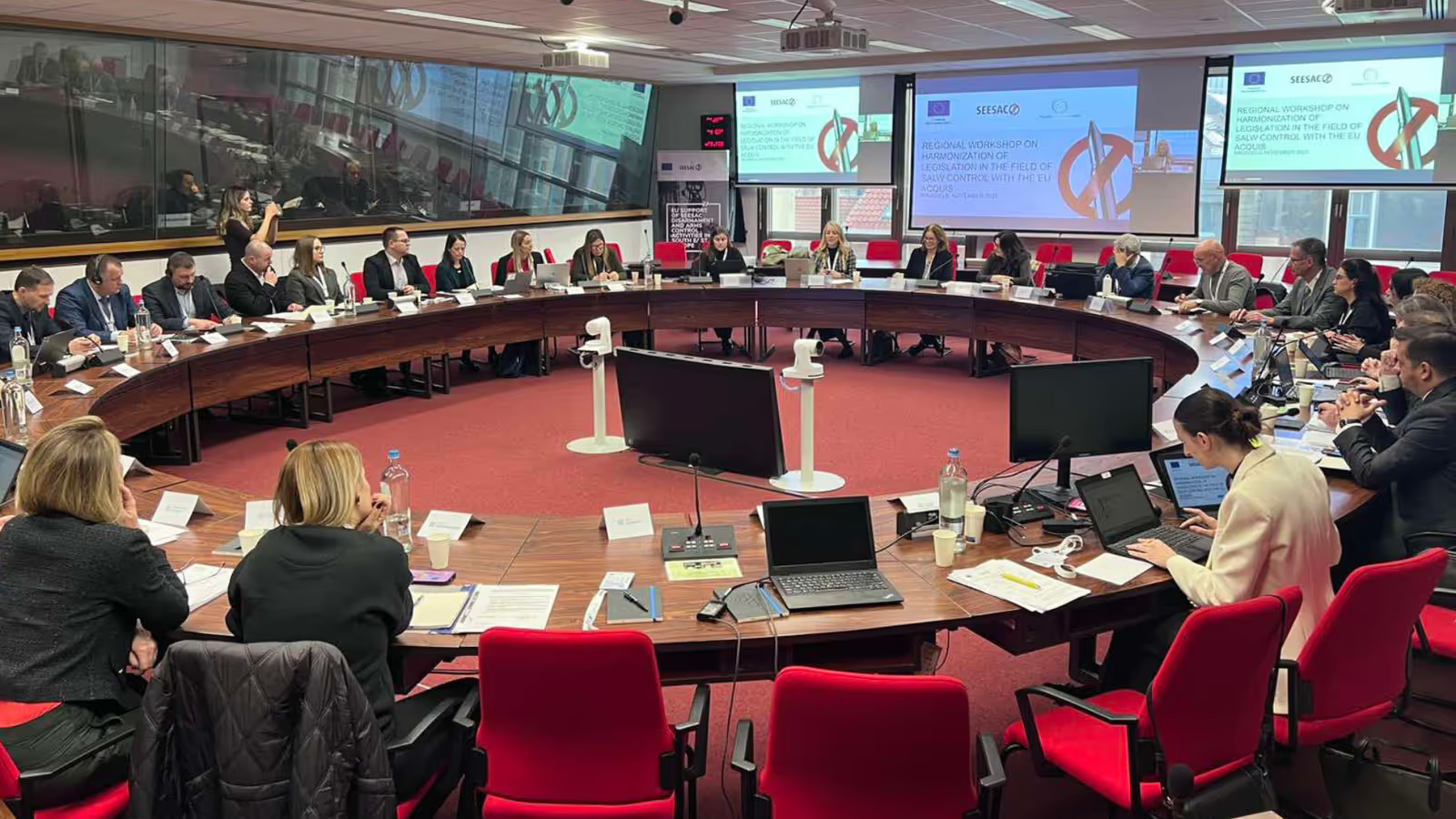
Brussels
Regional Workshop on the Harmonization of SALW Legislation with EU Acquis
Held as part of an established annual process, and organized jointly with the DG Home and EEAS, the
Regional Workshop on the Harmonization of SALW Legislation with the EU Acquis was convened in November 2025 in
Brussels, providing a stable platform for the Western Balkans, the Republic of Moldova and Ukraine to exchange updates on legislative alignment, discuss implementation challenges, and gain insights into recent EU regulatory developments on firearms, explosives and pyrotechnics, and emerging issues such as 3D-printed firearms.
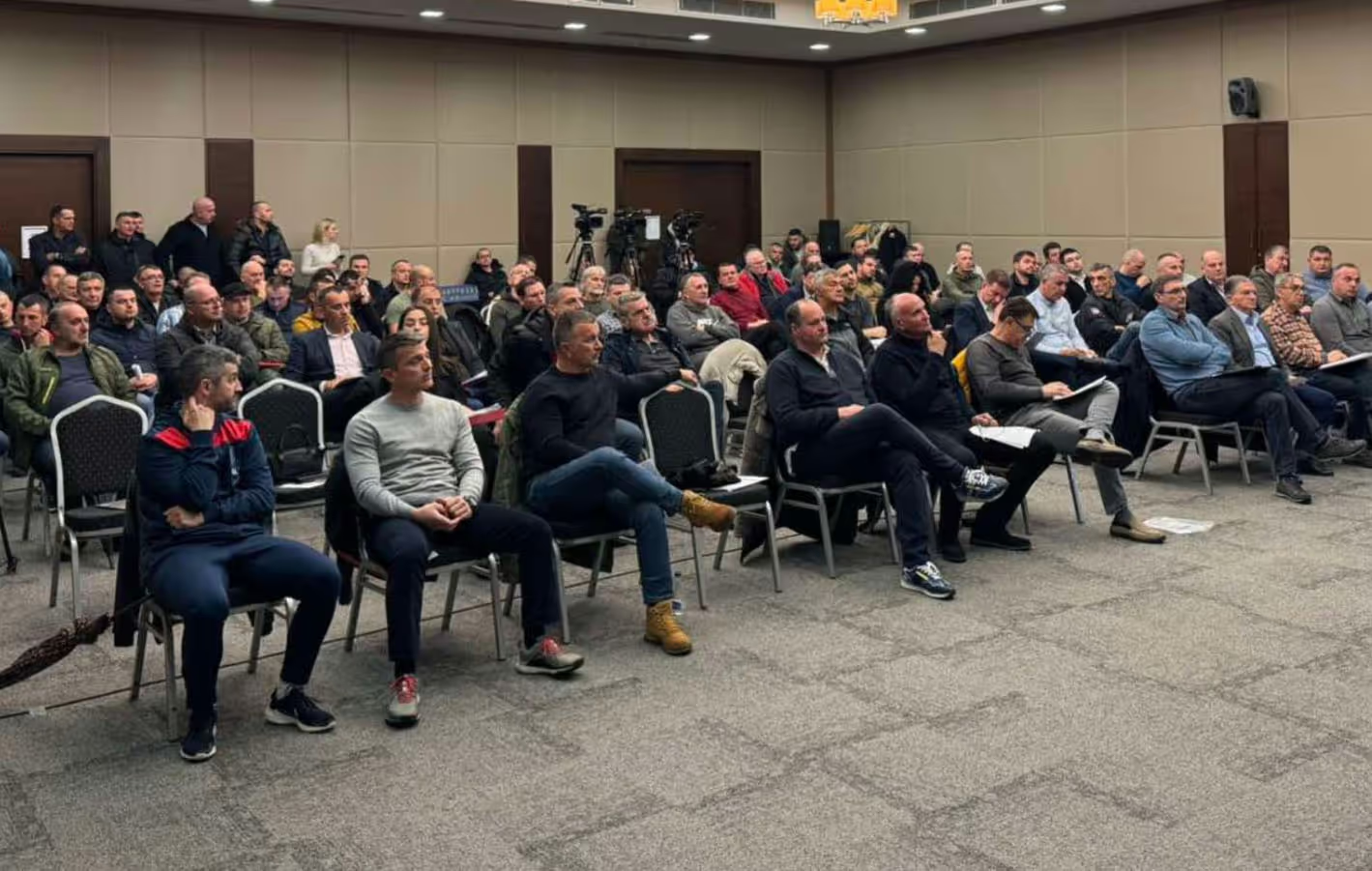
Podgorica
Public debate on the draft Law on Weapons and Ammunition
Targeted
expert assistance was provided to support the harmonization of firearms, ammunition and explosives legislation with EU standards in several jurisdictions. Specifically, a
dedicated workshop on harmonization of firearms and ammunition-related legislation with EU standards was organized in
Bosnia and Herzegovina.
Technical and expert support was extended to
Montenegro for the development of the
Law on Weapons and Ammunition, including assistance during the
public debate on the draft Law in Podgorica.
Expert input was provided for
drafting the
Law on Explosives in
North Macedonia.
Support to SALW control strategies
SEESAC's support contributed to tangible progress made by several jurisdictions in developing a strategic approach to SALW Control and in aligning the strategic frameworks with the
Western Balkans SALW Control Roadmap 2030.
Bosnia and Herzegovina, adopted a new
SALW Control Strategy 2025–2030 and
Action Plan 2025–2027 while the
Republic of Moldova adopted a
SALW Control Programme for 2026–2030 for the first time. In
Serbia, North Macedonia and
Albania, the
SALW Control strategies and
accompanying Action Plans were drafted and were pending adoption
by the end of the year. A comprehensive
evaluation of the SALW Control Strategy and Action Plan was completed in
Montenegro.
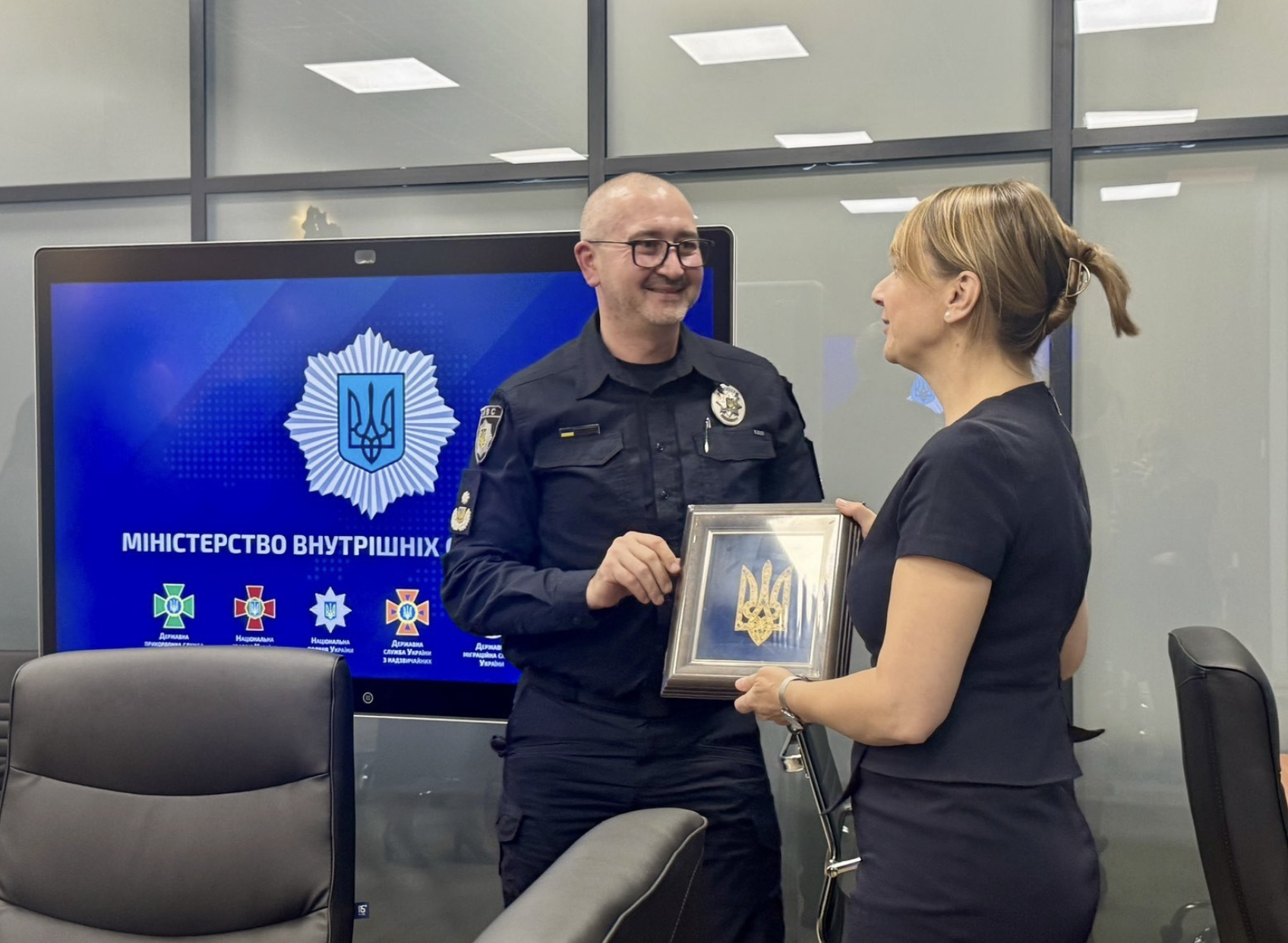
Kyiv
Support to the Government of Ukraine in drafting the first strategy to prevent and combat illicit arms trafficking
Throughout 2025, SEESAC, along with other partners, supported the Government of
Ukraine in drafting
Ukraine's first strategy and action plan to prevent and combat illicit SALW, helping to shape strategic priorities, strengthen inter-agency coordination, and align the framework with international best practices.
Strengthening institutional capacities in the fight against arms trafficking
Regional platforms for capacity development
Beyond the SEEFEN Network, institutional capacities to counter arms trafficking were further strengthened through a range of technical regional platforms, including the
Criminal Police Services Meeting, and the
Annual Firearms Focal Points Workshop, bringing together representatives from the Western Balkans, the Republic of Moldova and the European Union. Through these mechanisms, SEESAC applied an integrated approach that combined procedural improvements, specialised equipment and targeted law-enforcement training.
Customs Administrations
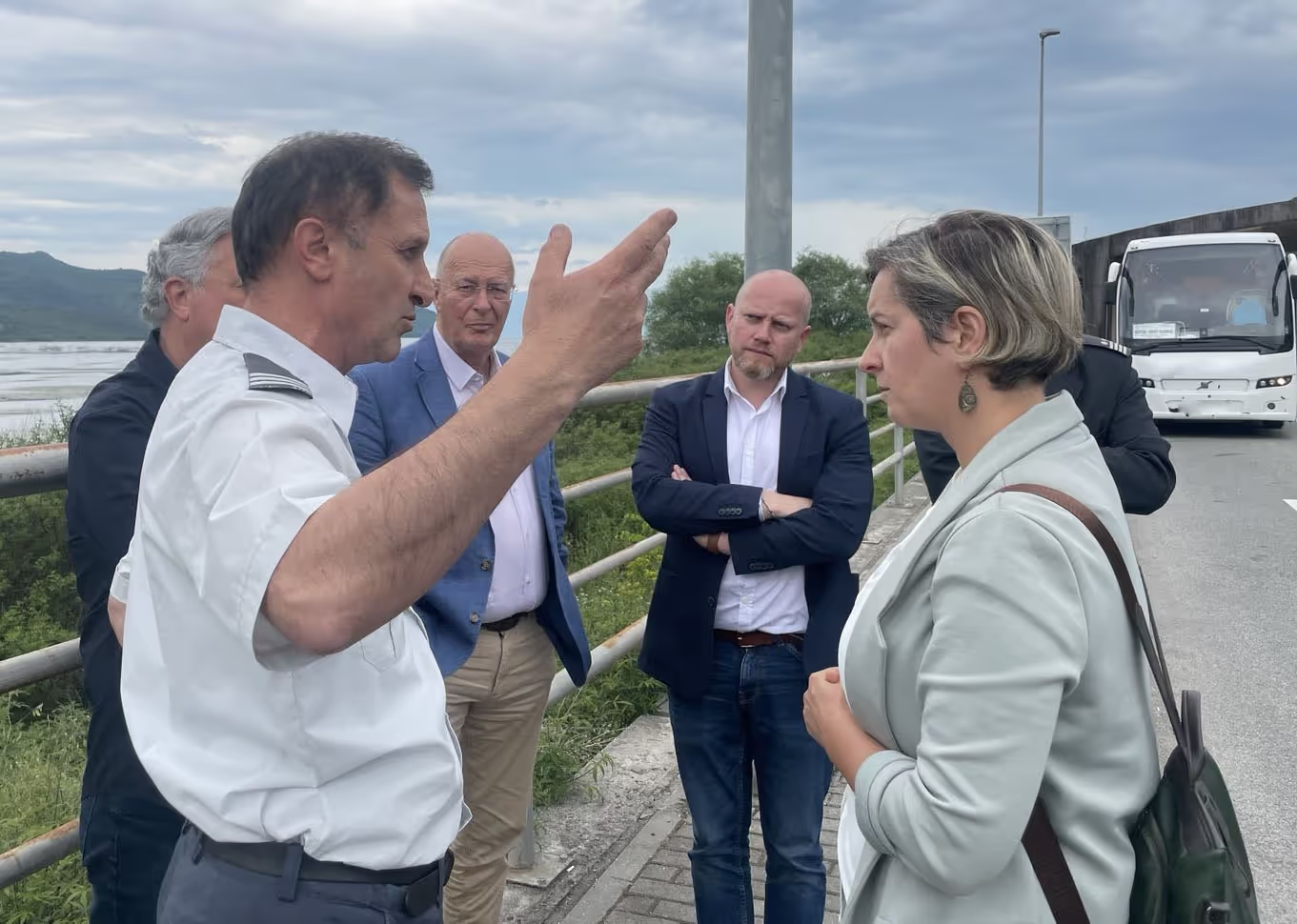
Kotor
Field visit within the workshop in support of the development of SALW-related SOPs
As part of a regional effort stemming from the recommendations of the 2024 Needs Assessments conducted across all six Western Balkan jurisdictions,
procedural and operational capacities of
customs administrations across the region
strengthened through
five workshops conducted to support the
development of SALW-related Standard Operating Procedures (SOPs) in
Serbia, North Macedonia, Montenegro, Albania and Kosovo
[1] and the revision of the existing ones in
Bosnia and Herzegovina.
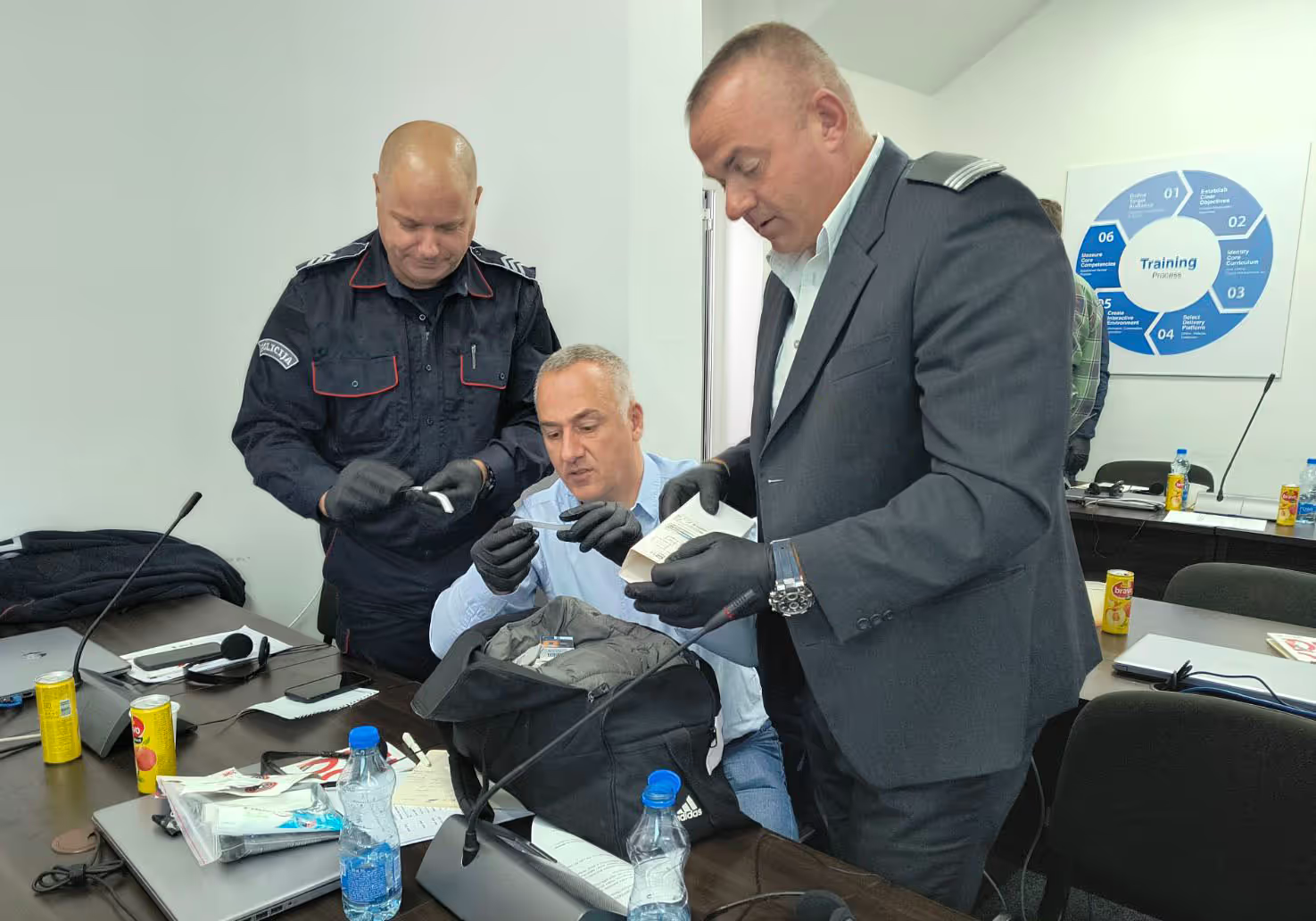
Podgorica
Training on the implementation of the SALW related SOPs for Customs Administration and Border Police
To strengthen the operational application of newly developed procedures in control and inspection work, specialised trainings on the practical implementation of SOPs for customs administrations and border police were delivered in North Macedonia, Serbia, Montenegro, Kosovo, and Bosnia and Herzegovina.
Criminal Police Services
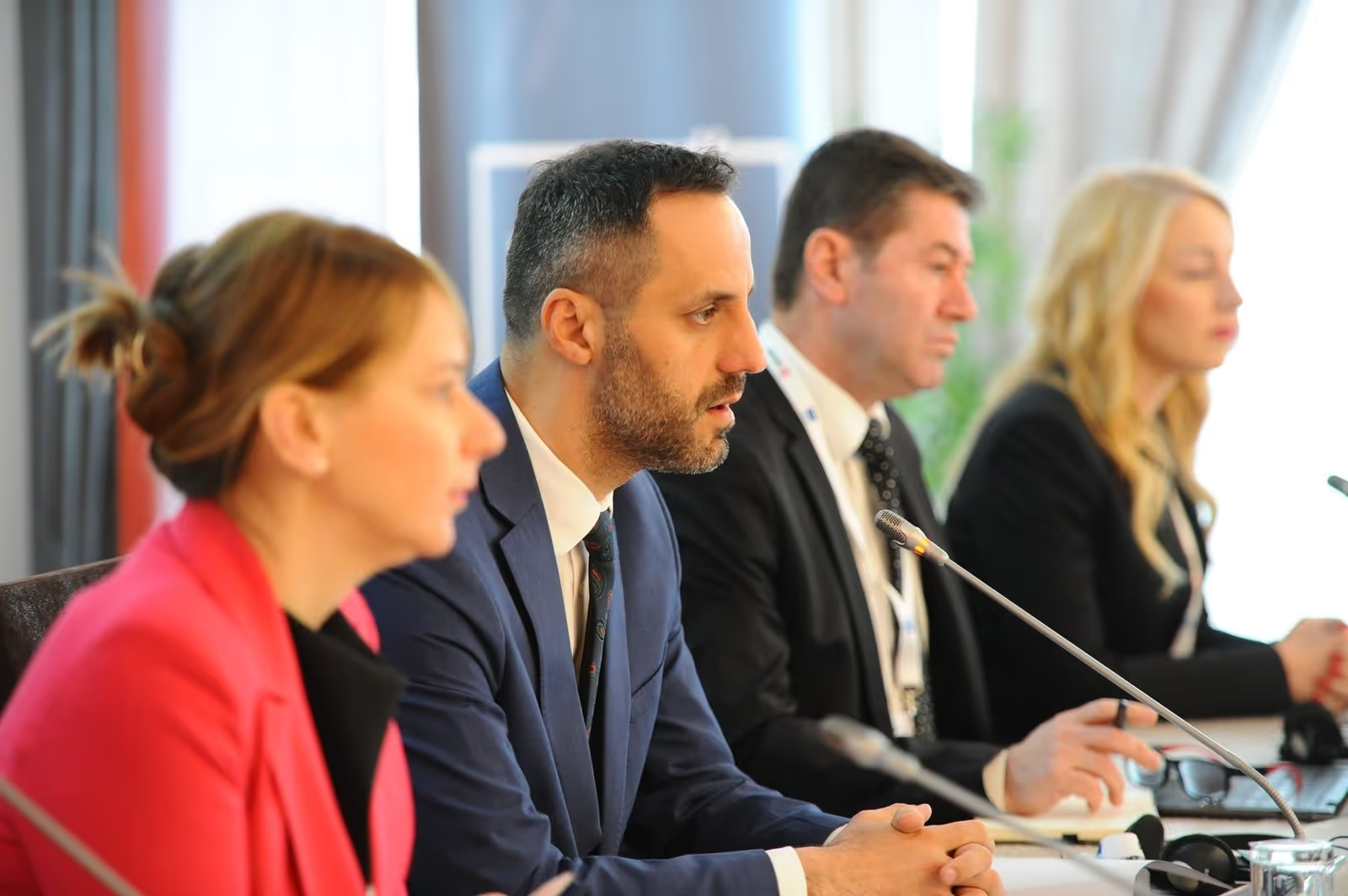
Tirana
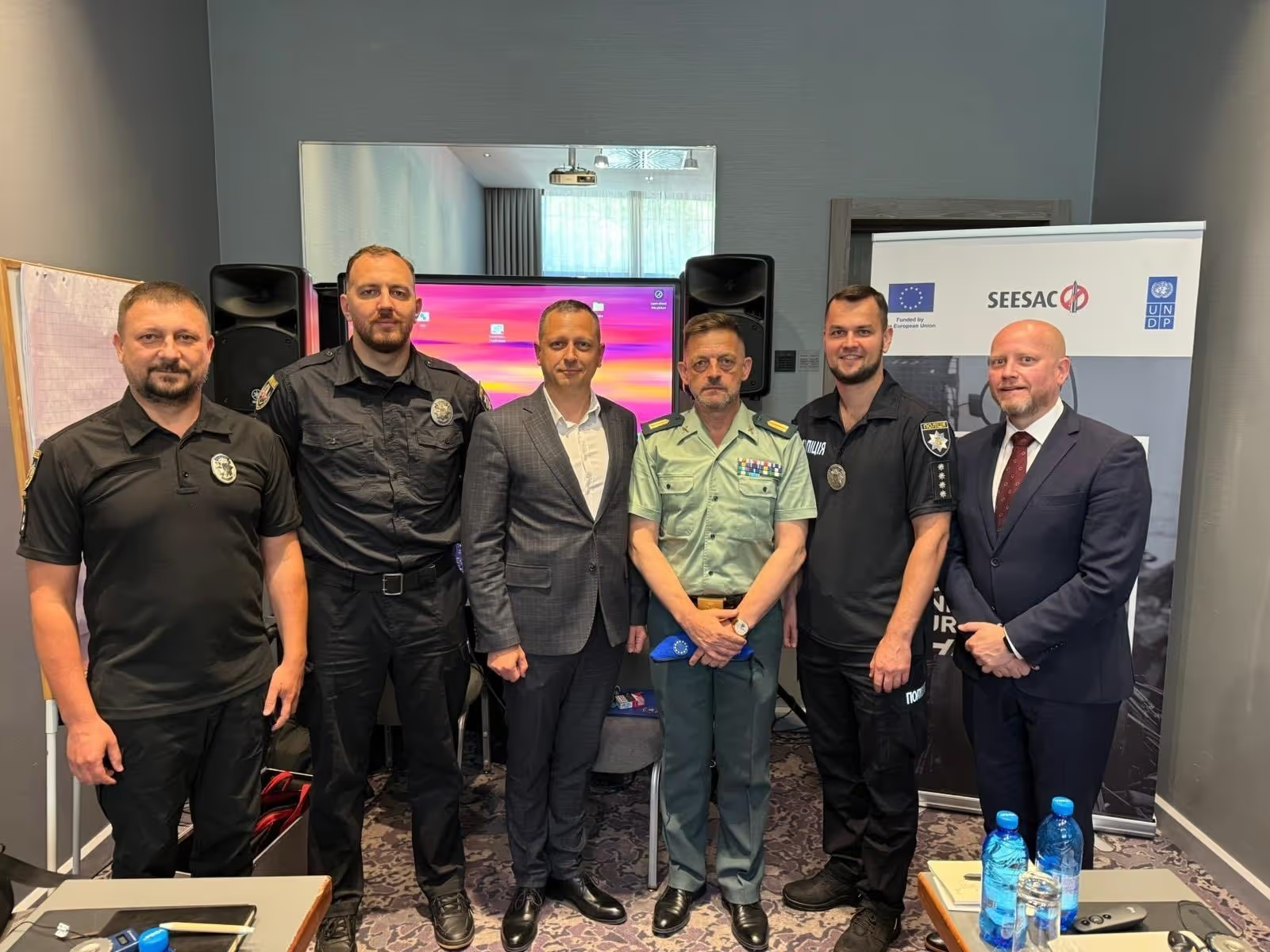
The regional meeting of the Criminal Police Services from South East and East Europe
The
regional meeting of the Criminal Police Services from South East and Eastern Europe took place in Tirana, Albania, on 8-9 April 2025. The meeting provided a platform for the Western Balkans jurisdictions, the Republic of Moldova, and Ukraine, as well as international experts, to discuss evolving threats posed by illicit firearms trafficking, with particular attention to the increasing misuse and conversion of blank-firing weapons.
Kyiv
A series of hands-on trainings tailored to address the needs of Ukrainian law enforcement agencies in conducting firearms-related investigations
Cross-agency cooperation and intelligence-sharing capacities of
Ukrainian law enforcement agencies were enhanced through
three hands-on trainings tailored to the needs of the Ukrainian officials involved in firearms-related investigations. The trainings were held in Kyiv from 14 July to 1 August 2025 and brought together over 40 representatives from various institutions, covering topics related to criminal intelligence analysis, i2 Analyst’s Notebook, and firearms intelligence analysis.
Operationalizing Firearms Focal Points
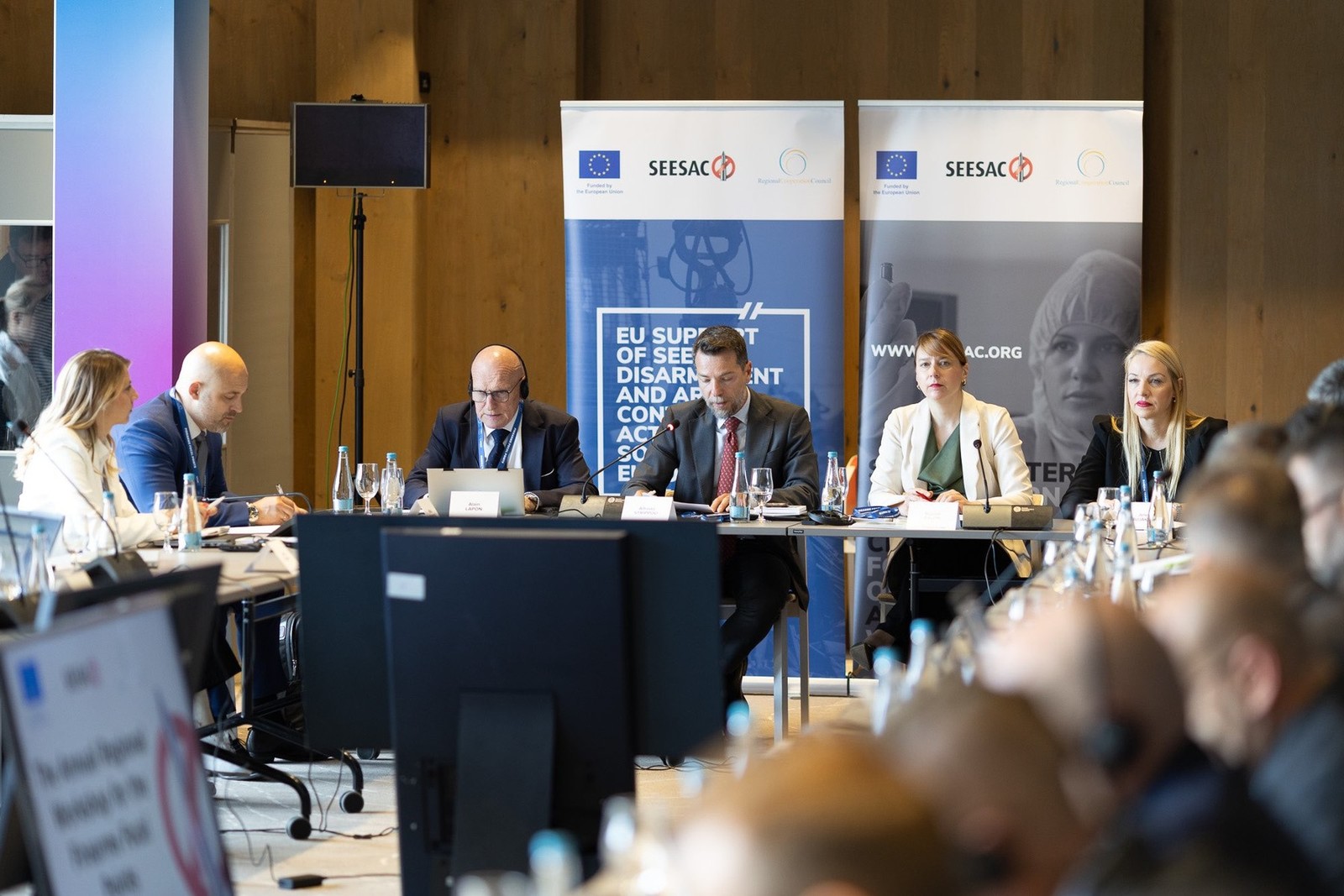
Igman
The Annual Regional Workshop for Firearms Focal Points
In 2025, SEESAC strengthened the functionality of Firearms Focal Points (FFPs) across the Western Balkans through targeted institutional support, equipment procurement, and specialised capacity-building.
Support was also provided to a Working Group for the drafting of the Memorandum of Understanding on the establishment of the FFP in Bosnia and Herzegovina, facilitating inter-institutional coordination on mandate, procedures and operational cooperation.
Skopje
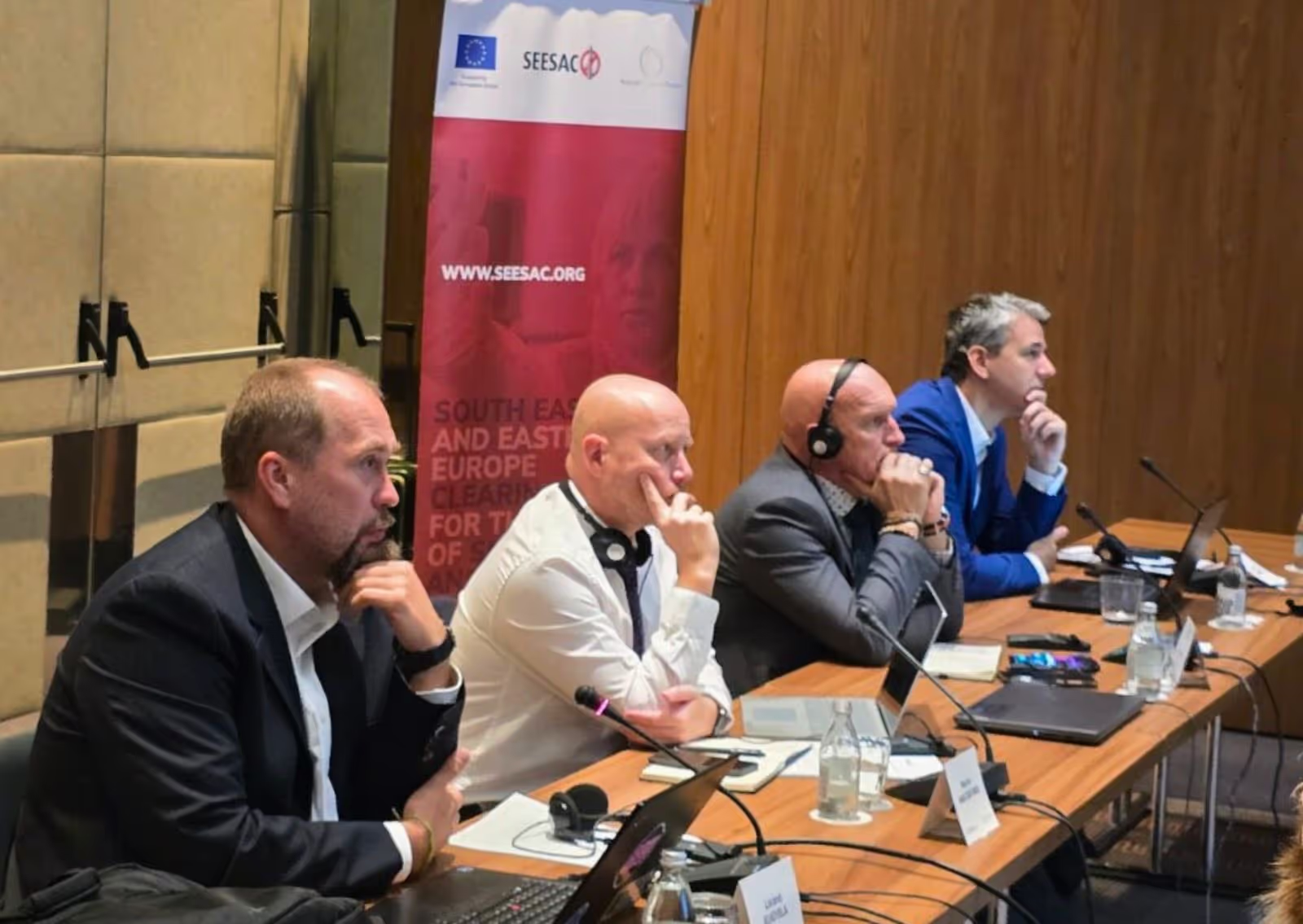
The Regional Workshop on Pyrotechnics and Explosives for Civil Use
In addition, the
Regional Workshop on Pyrotechnics and Explosives for Civil Use was held in Skopje, enabling knowledge exchange on
EU certification systems and safety standards and resulting in improved institutional capacities to align national regulations with EU requirements and enhance public safety.
As part of the Annual Firearms Focal Points Workshop, a practical training on force field analysis, an advanced intelligence collection method, was also held, equipping attendees with tools to advance their mapping and analysis of drivers and barriers within intelligence collection.
Igman
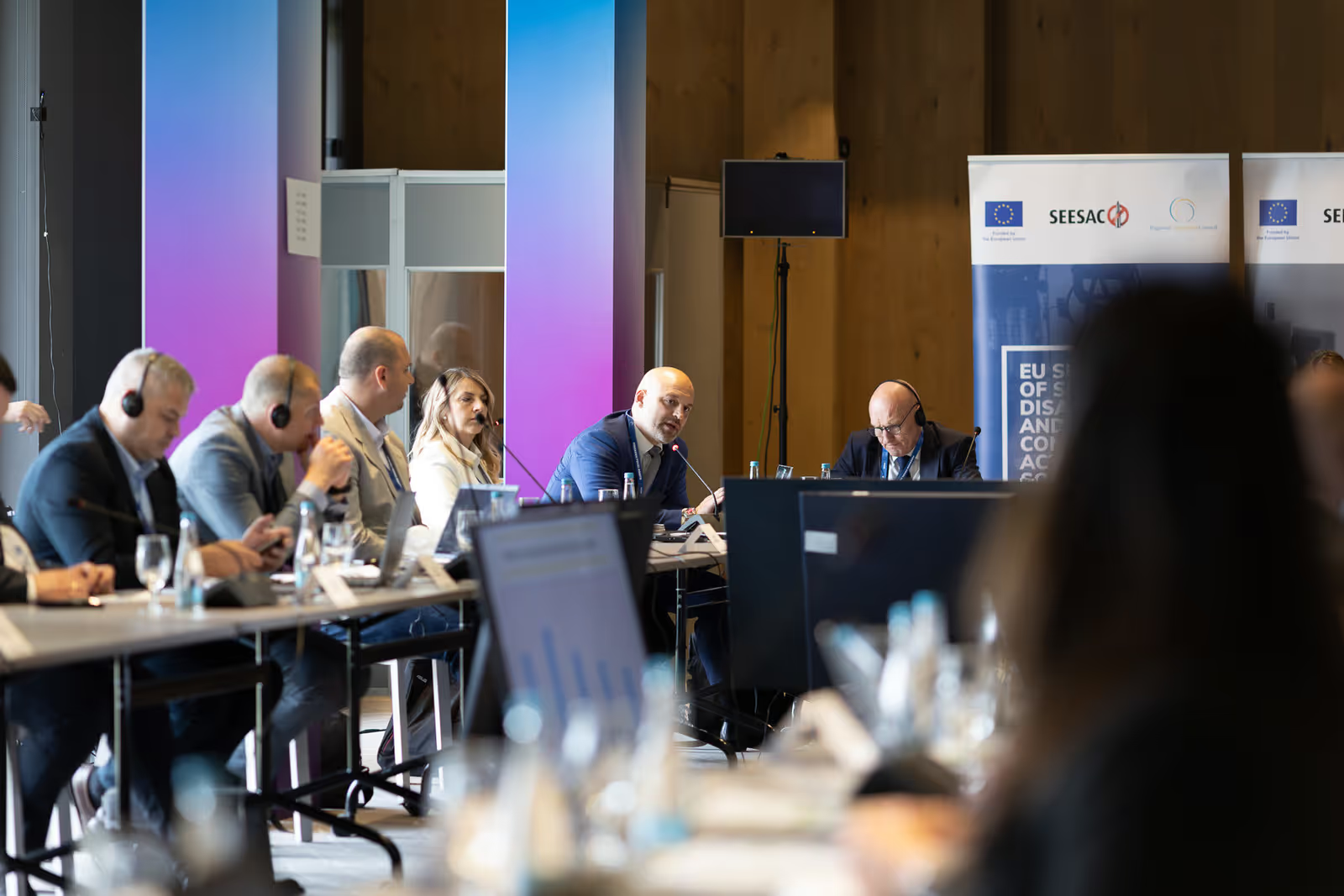
Meeting of Ballistic Experts
Within the SEESAC support to the law enforcement authorities, representatives of Firearms Focal Points (FFPs) and ballistic experts from the Western Balkans, the Republic of Moldova, and Ukraine convened in Igman, Bosnia and Herzegovina, for the Meeting of Ballistic Experts dedicated to ballistic insights and the growing threat of converted blank-firing weapons. This meeting was held back-to-back with the Annual Regional FFP Workshop.
Enhancing crime scene investigation capacities
Crime scene investigation capacities across the Western Balkans were strengthened in 2025 through targeted training and the provision of specialised equipment aligned with EU standards and forensic good practices.
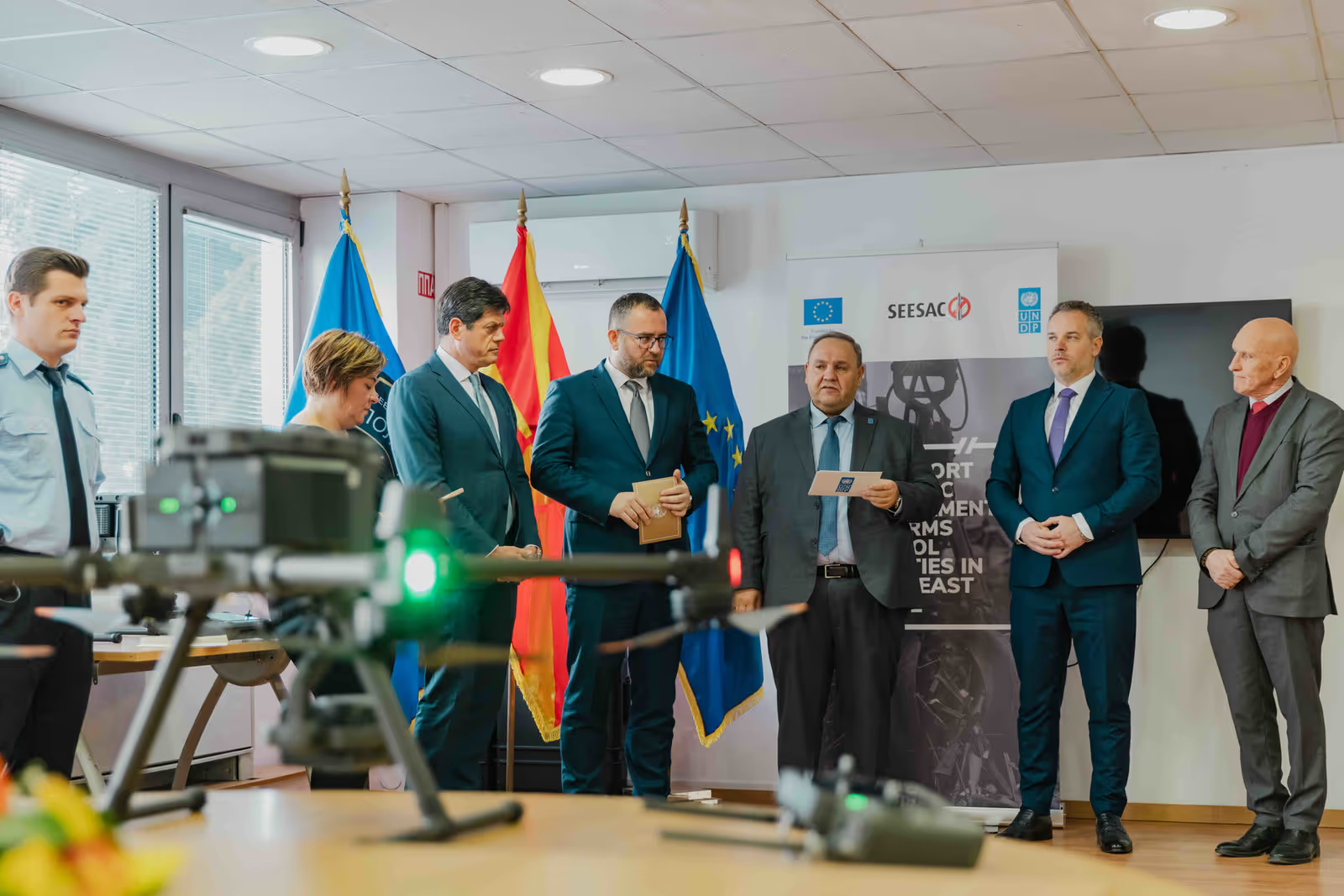
Skopje
Handover ceremony for the donation of over $650,000 worth of equipment to Border and Criminal Police of North Macedonia
To enhance faster evidence collection, secure data management and real-time communication with forensic specialists, procurement of specialised CSI and IT equipment advanced significantly across the region. In Montenegro, procurement included the delivery of CartWinPro ballistic software and two mobile ballistic laboratories.
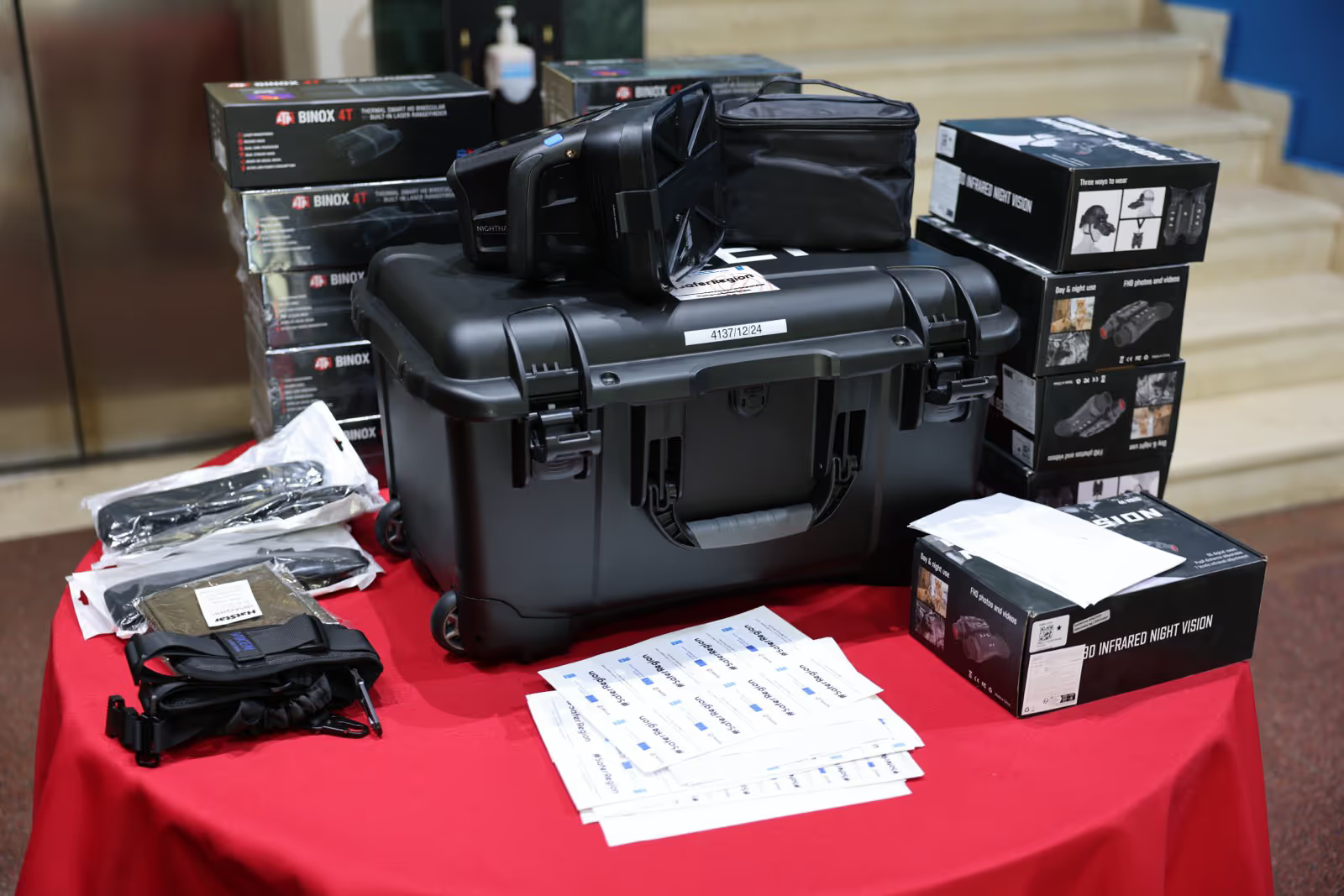
Tirana
Handover ceremony for the donation of over $1.1 million in specialized equipment to strengthen Albania's fight against arms trafficking
Albania received new optical and detection tools and IT equipment. A total of 30 desktop workstations and five laptops were procured and delivered in Serbia and Montenegro, while Kosovo received binoculars, night-vision monocular cameras, GPS trackers and IT equipment. In North Macedonia, IT equipment was fully procured and delivered, while the Bomb Disposal Unit received metal detectors and explosive ordnance disposal kits.
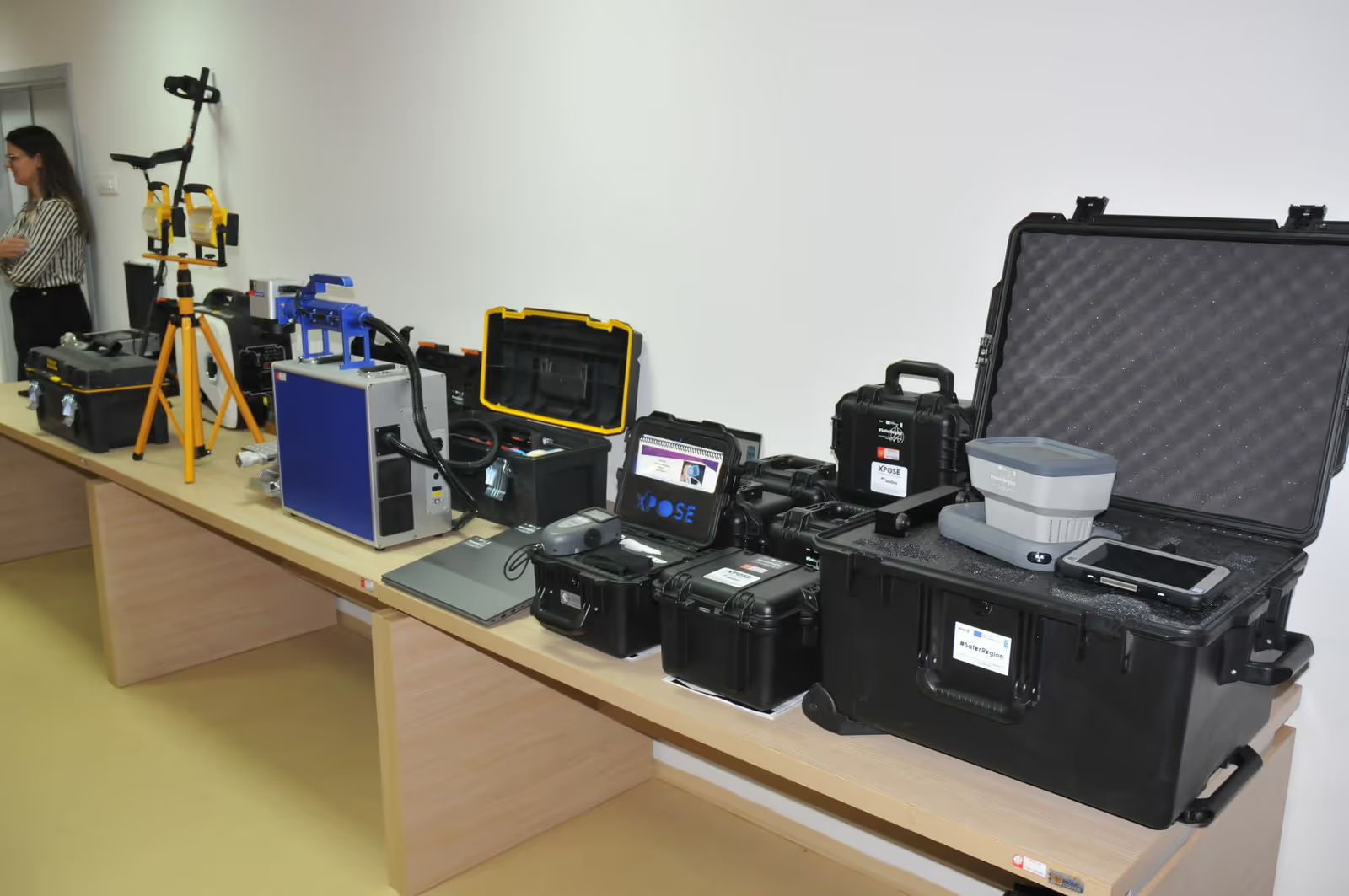
Danilovgrad
A handover ceremony marking the delivery of a major donation of specialized equipment valued at USD 320,000 to Montenegro’s Police Directorate
Beyond strengthening CSI capabilities, the newly supplied equipment will also directly enhance the efficiency of FFPs by streamlining workflows, enabling advanced analytical work, and improving the quality and reliability of forensic outputs.
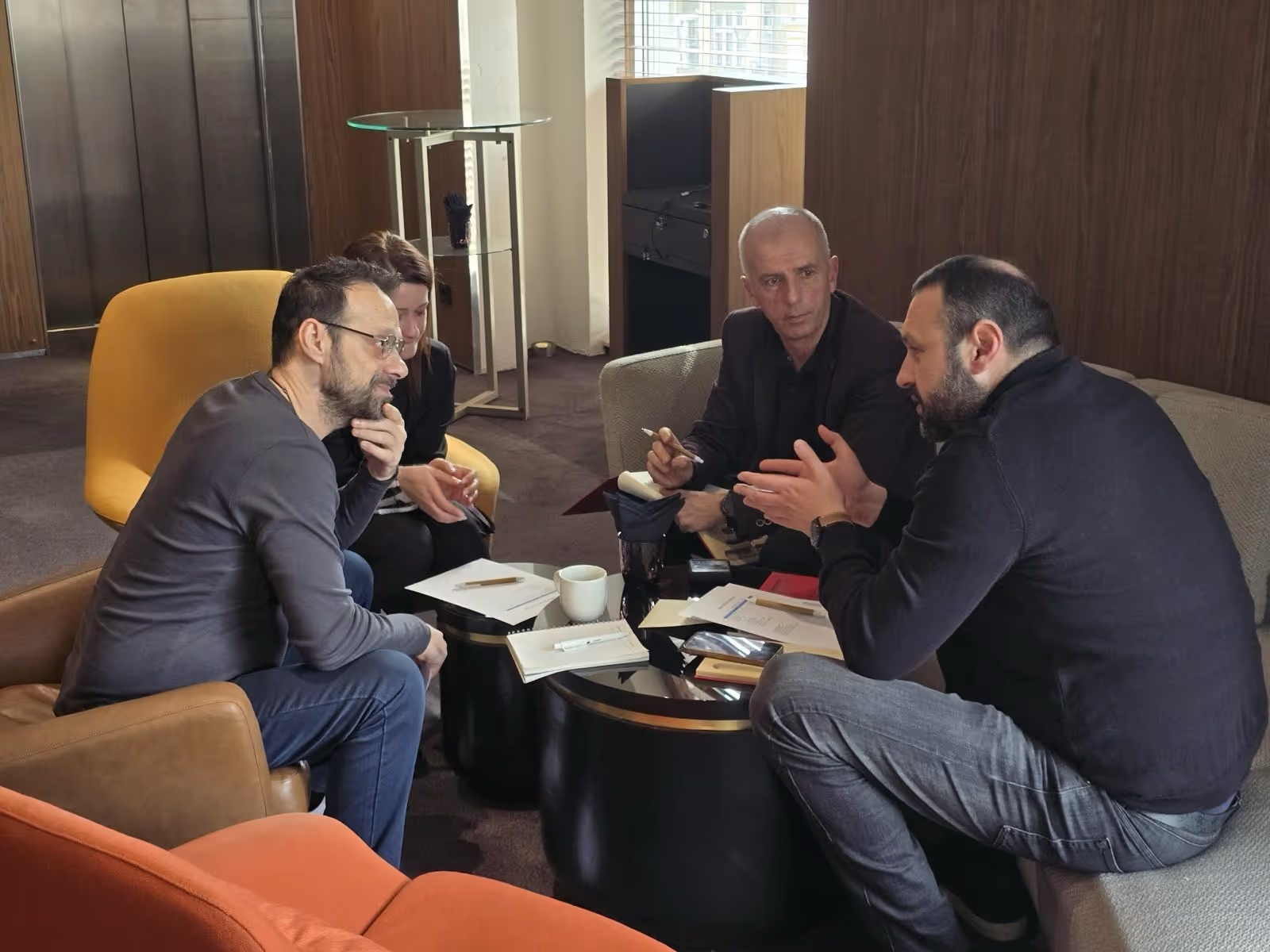
Skopje
The Regional Workshop on the Recovery of Electronic Evidence
Additionally, the
Regional Workshop on the Recovery of Electronic Evidence (Skopje, 25–26 February 2025) strengthened investigators' skills in digital forensics, evidence handling, and online investigations, and introduced SEESAC's knowledge products on cyber investigations and electronic evidence.
Improving security and stockpile management
Physical security and stockpile management (PSSM) was also part of SEESAC's work in 2025, with efforts directed at improving SALW storage security, supporting weapon destruction, and enhancing regional stockpile management capacities.
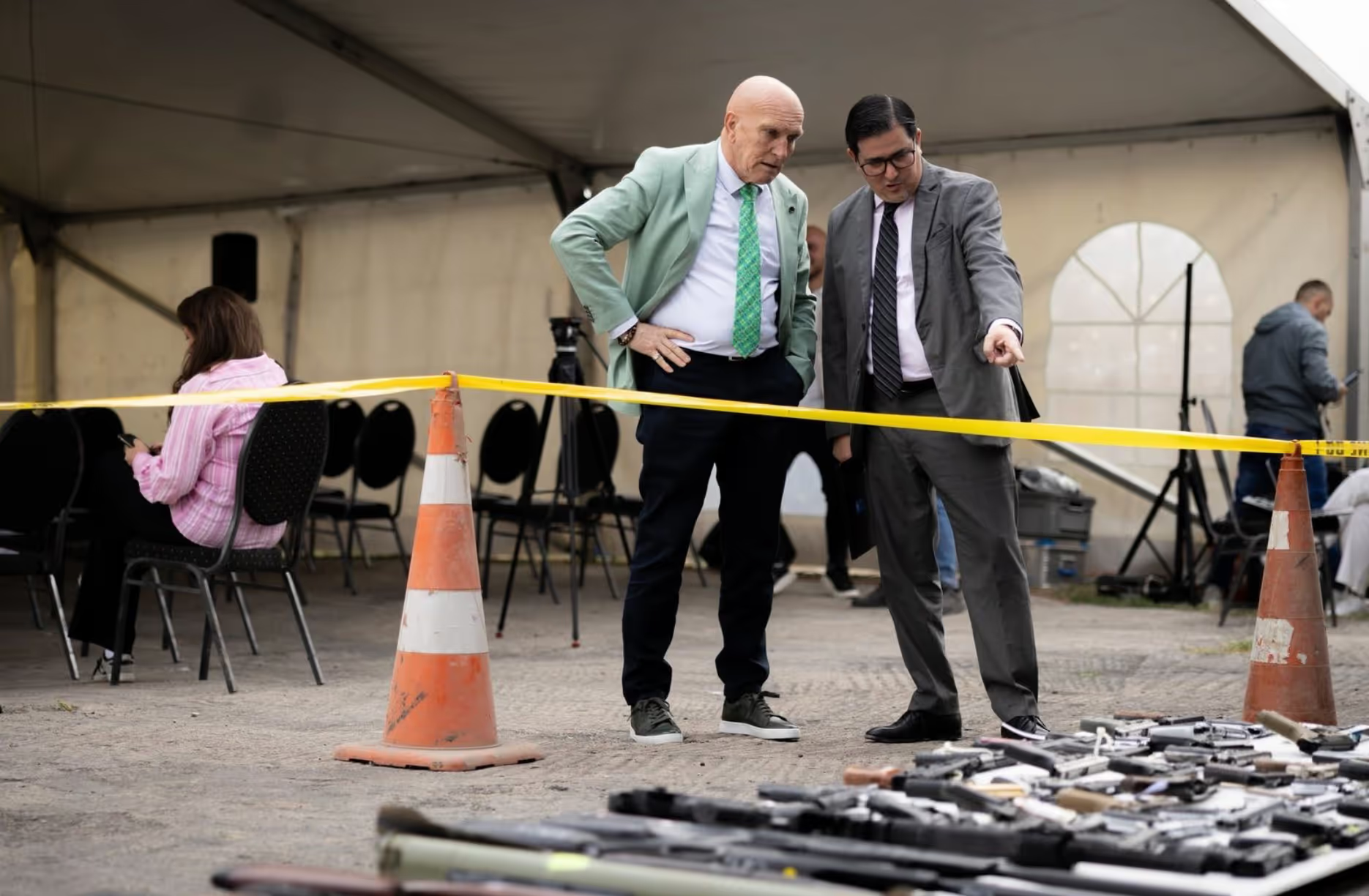
Ferizaj/Urosevac
A ceremony for the destruction of more than 760 confiscated SALW
In 2025, SEESAC supported authorities of the Republic of Moldova in the
disposal of 2,177 pieces of small arms and light weapons, and Kosovo in the
destruction of 381 SALW pieces.
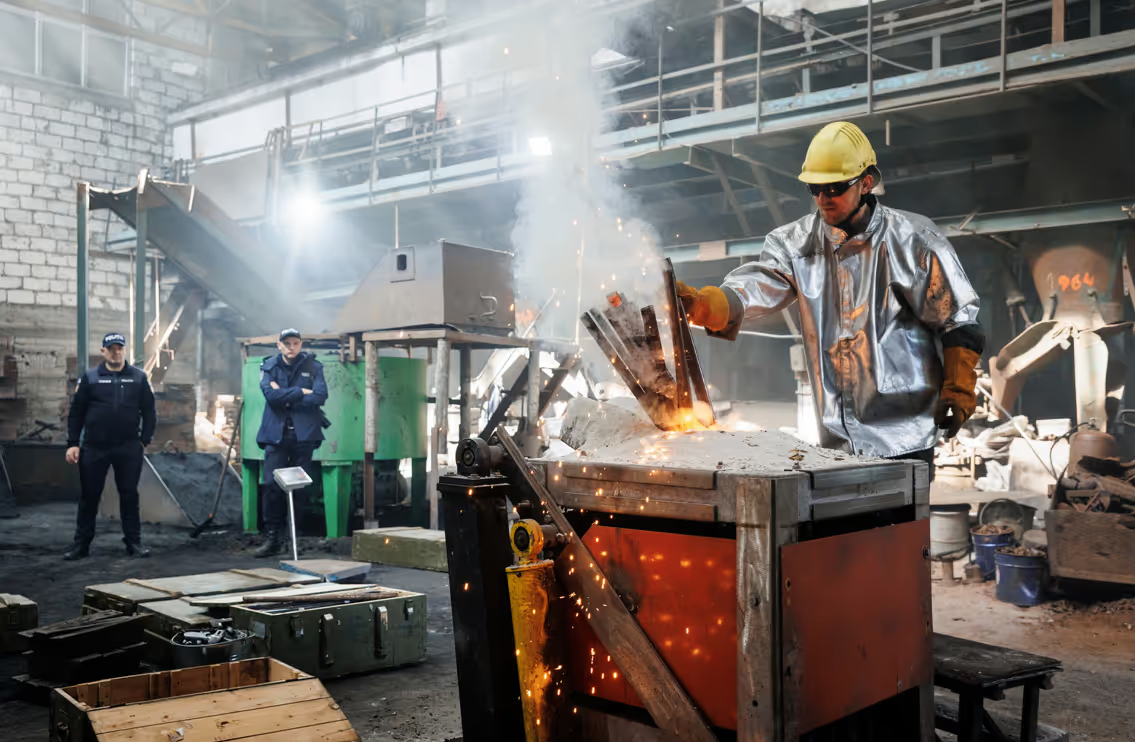
Bulboaca
A ceremony for the destruction of more than 2,177 confiscated SALW
Similarly, with SEESAC's support, law enforcement authorities in Bosnia and Herzegovina
destroyed
842 pieces of SALW.
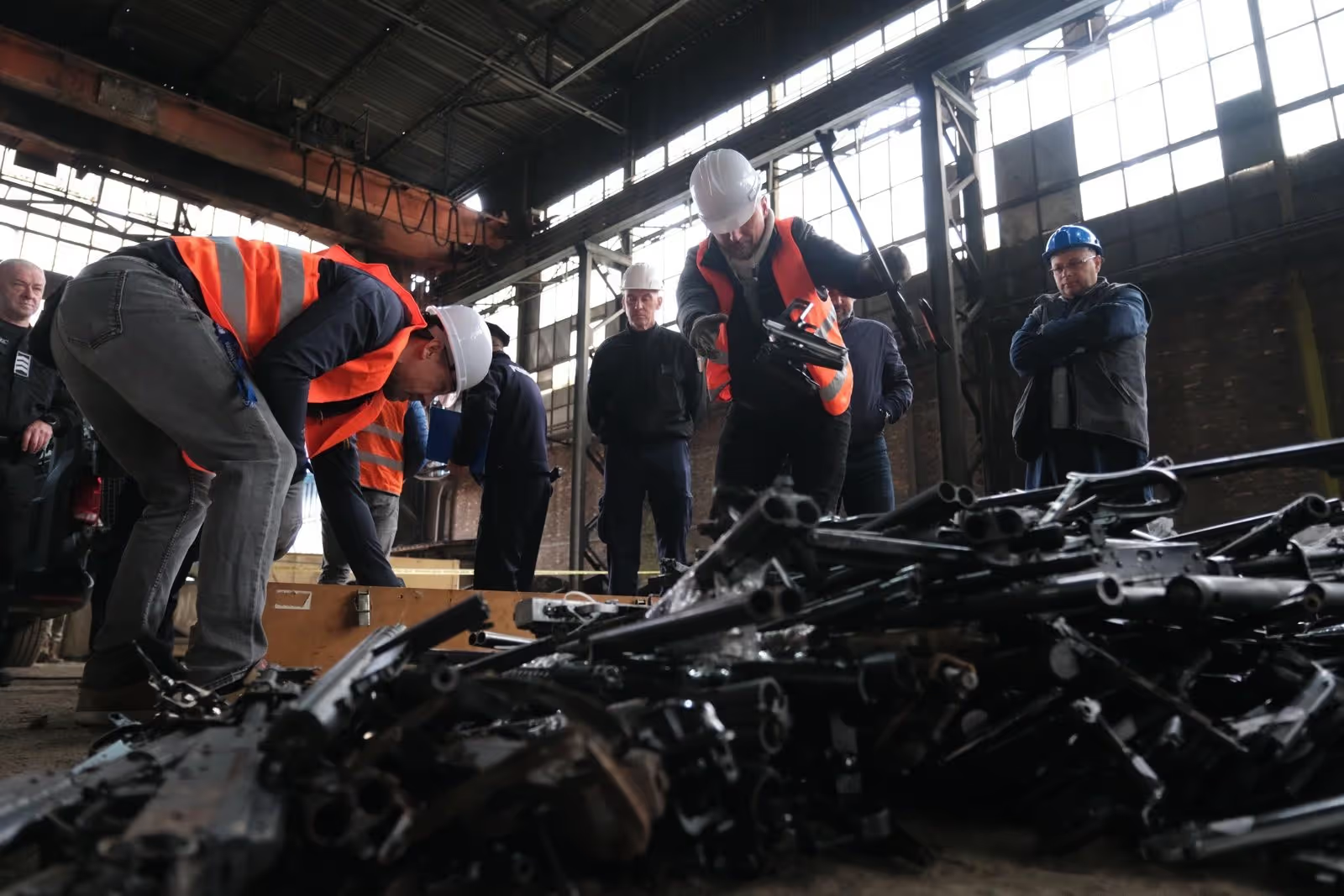
Banja Luka
A ceremony for the destruction of 1,563 SALW
Furthermore, activities aimed at security upgrades of the six evidence rooms' locations of the General Police Inspectorate in the Republic of Moldova were initiated.
Integrating a gender perspective into SALW Control
In 2025, significant progress was made in integrating a gender perspective into SALW control across the Western Balkans, in particular to strengthen institutional capacities in implementing strategic commitments on mainstreaming gender in SALW control at the operational level.
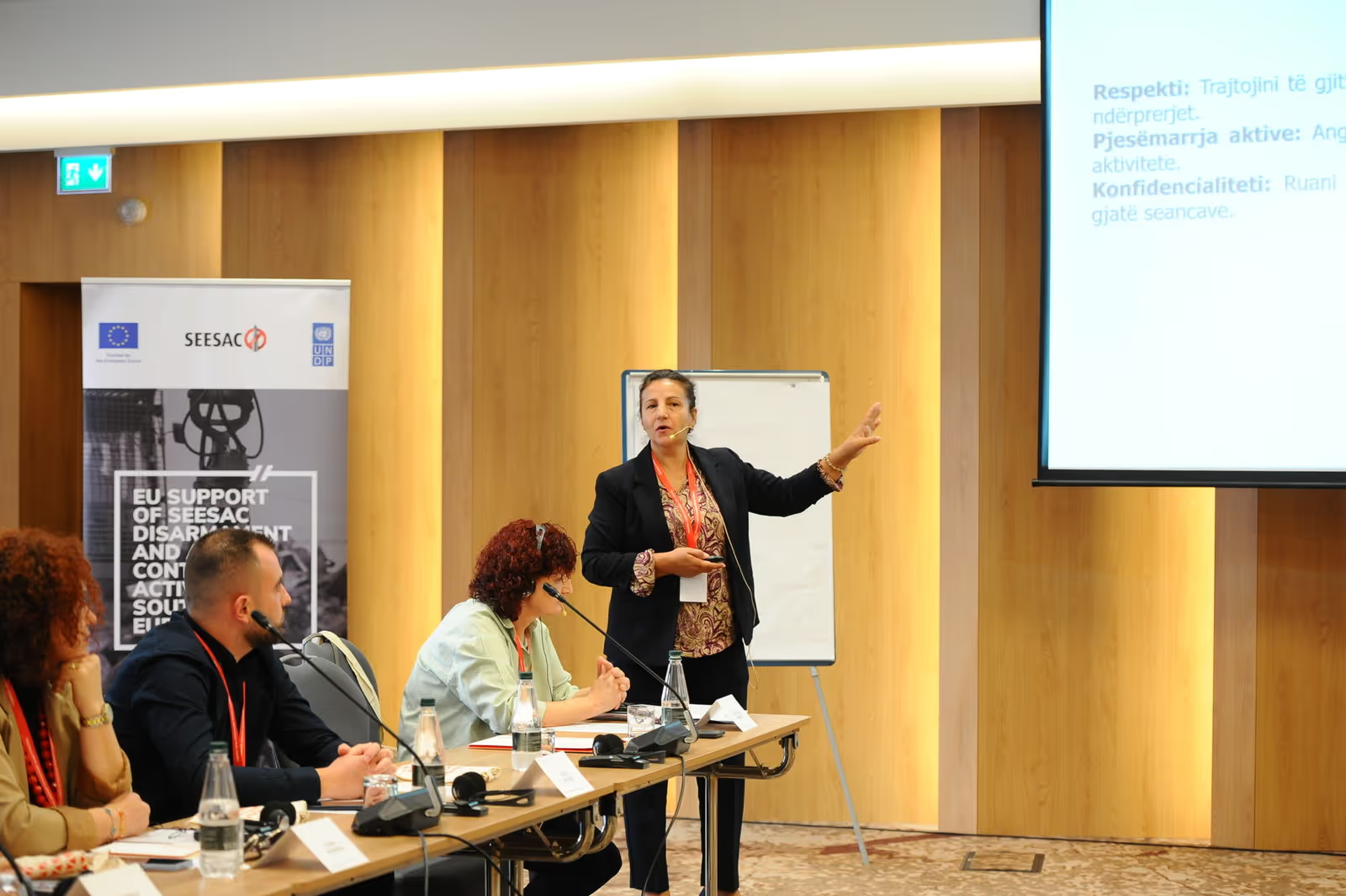
Tirana
Peer-led trainings by trainers from the Albanian State Police, who had previously went through SEESAC's regional Training of Trainers (ToT) programs
Jurisdiction trainings on the
Guidelines for Gender-Responsive Firearms Licensing and
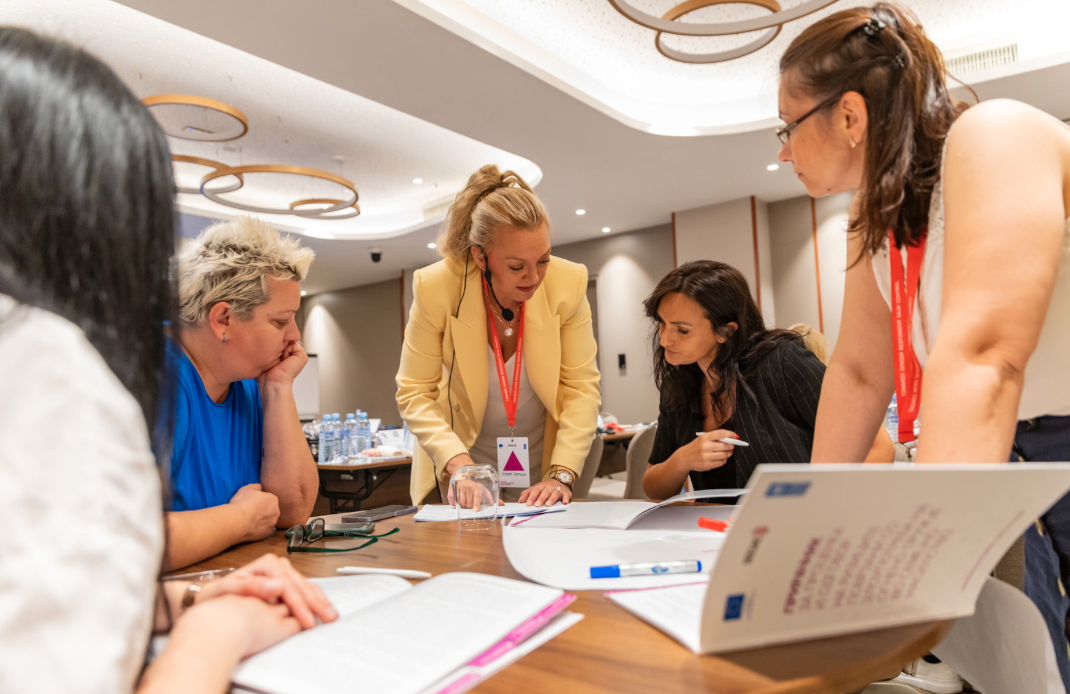
Risk Assessment in Cases of Domestic Violence were delivered by police officers who completed SEESAC's Training of Trainers (ToT) in 2024, following dedicated online and in-person preparatory meetings with expert support. The trainings were attended by 133 police officers working on domestic violence cases and professionals handling firearm license approvals in Montenegro, Kosovo, North Macedonia, Albania, and Bosnia and Herzegovina.
Skopje
Peer-Led Trainings to Prevent Firearms Misuse in Domestic Violence context
Continued support at the policymaking level included a Gender Coach Programme tailored to and organized for the Head of Montenegro's SALW Commission, enabling a better understanding of the links between arms control and gender considerations. Additionally, a workshop on gender mainstreaming in SALW control was conducted for the Gender Equality Coordination Board in Bosnia and Herzegovina and for the members of the SALW Commission in Montenegro.
Tirana
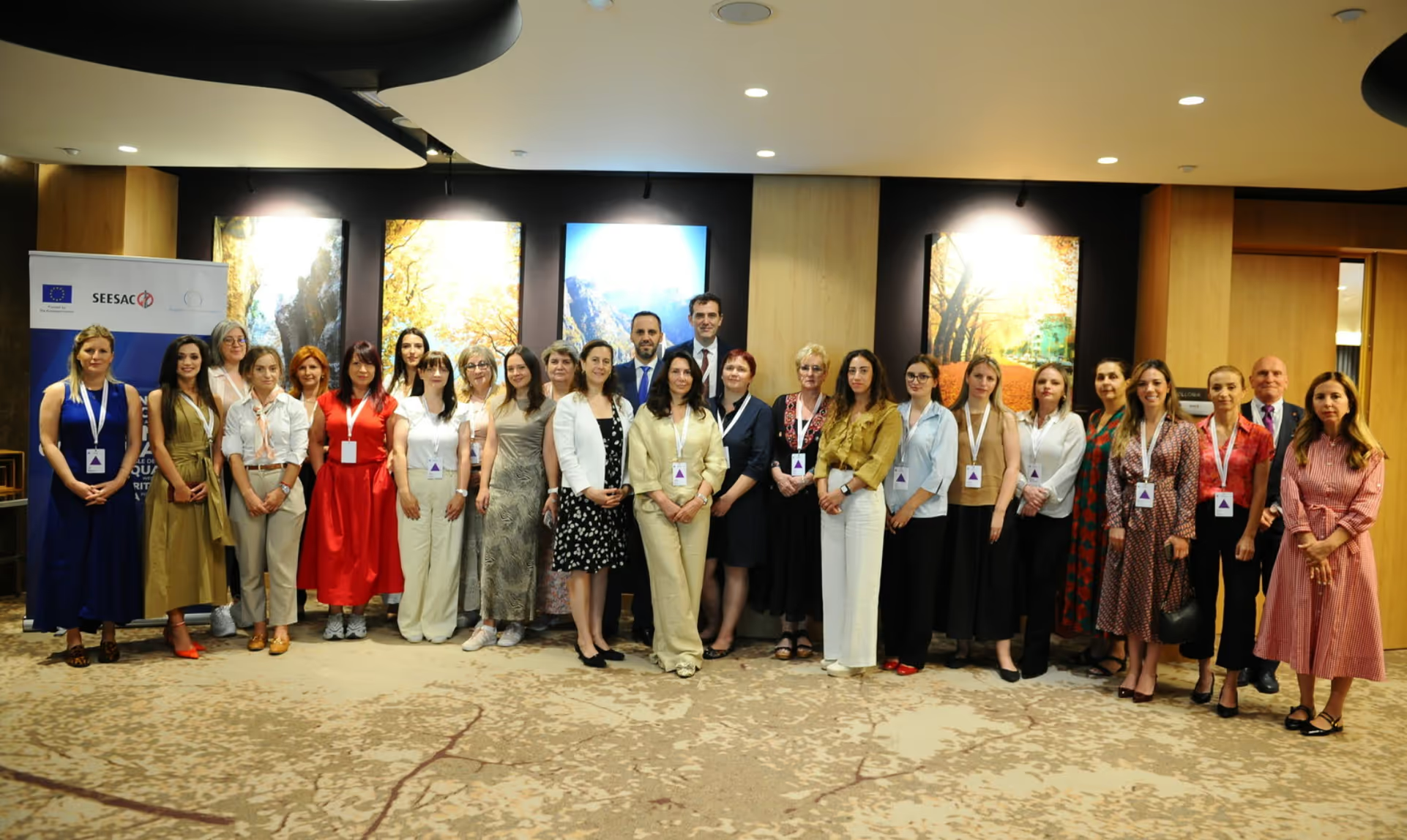
Regional workshop on Gender and SALW with representatives of 18 women's organizations from the Western Balkans
Regional cooperation and information sharing among civil society organizations was strengthened in 2025 through a dedicated
Regional Workshop for Women's CSOs with specific focus on Gender and SALW. The workshop held in Tirana gathered 18 organisations from across the Western Balkans. The women's CSOs from the region were further connected with the global
Gender Equality Network for SALW Control (GENSAC) enabling complementing ongoing work on strengthening the inclusion of women's CSOs.
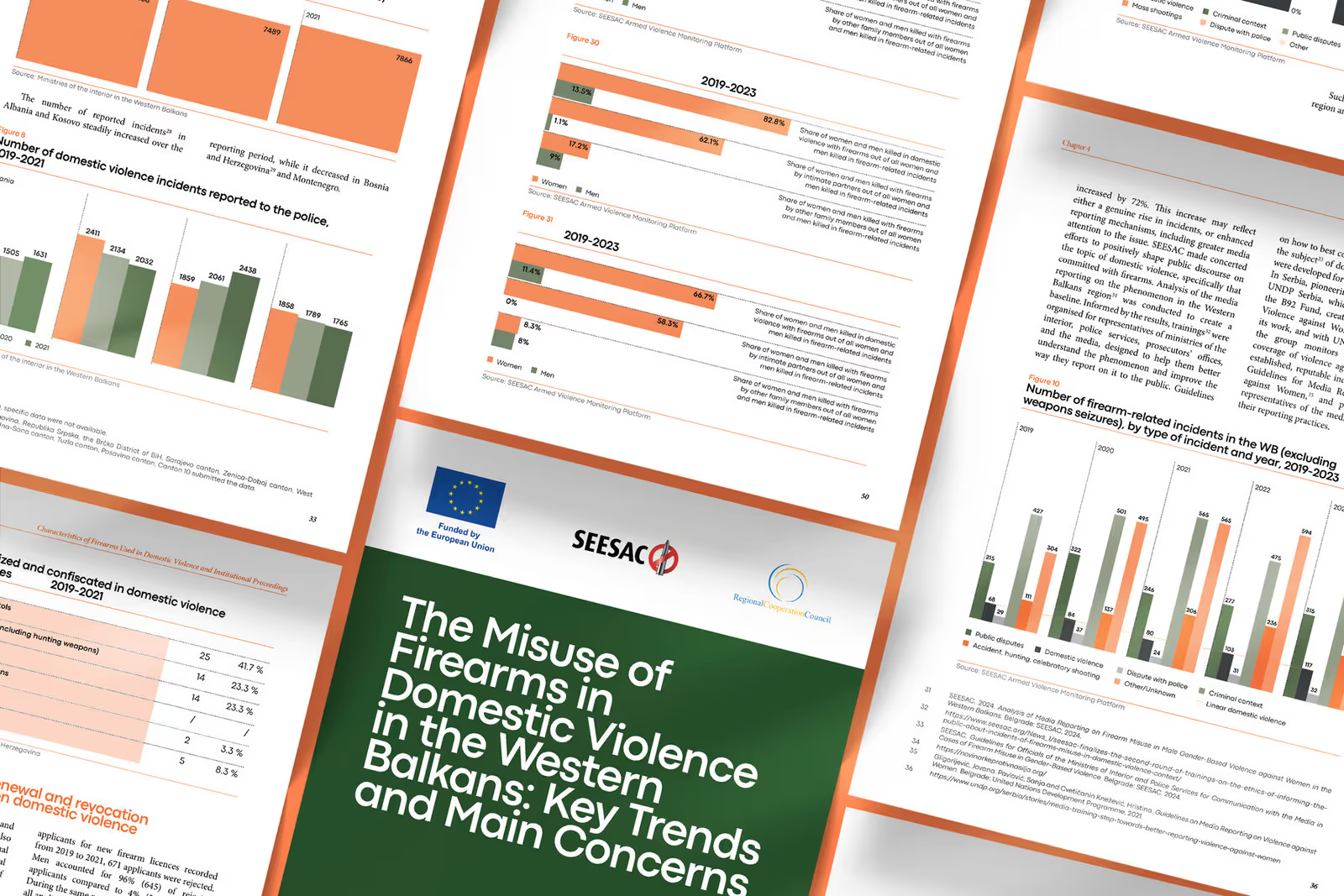
Two regional studies, conducted in cooperation with the institutions of the Western Balkans and finalized this year, provided comprehensive insights into the impact of firearms in domestic violence highlighting its gender-based nature (
Regional Analysis on Institutional Response to Firearms Misuse in Domestic Violence), as well as insights into women's role in SALW control field, their contributions, and challenges to a gender-balanced participation in this field (
Regional Analysis on Women in SALW Control). A
Paper on Sustainable Gender Mainstreaming, recently developed, shares experiences from the region based on SEESAC's extensive efforts to practically mainstream gender in SALW control
Raising awareness on SALW-related risks
In 2025, SEESAC strengthened regional awareness-raising efforts by continuing regional cooperation and exchange efforts, further strengthening local-level capacities, expanding a set of knowledge tools available, and supporting campaigns where needed.

Jahorina
7th Meeting of the Regional Awareness Raising Task Force
A key driver behind these activities was the Regional Awareness-Raising Task Force (RAR Task Force), which convened its 7th meeting in Jahorina, Bosnia and Herzegovina. The Task Force brought together representatives of Ministries of Interior and police services from across the Western Balkans, and the Republic of Moldova to present and discuss their recent work, analyze emerging trends, and undergo a joint capacity building exercise –a training on the use of data for creating effective awareness campaigns.
Petrovac
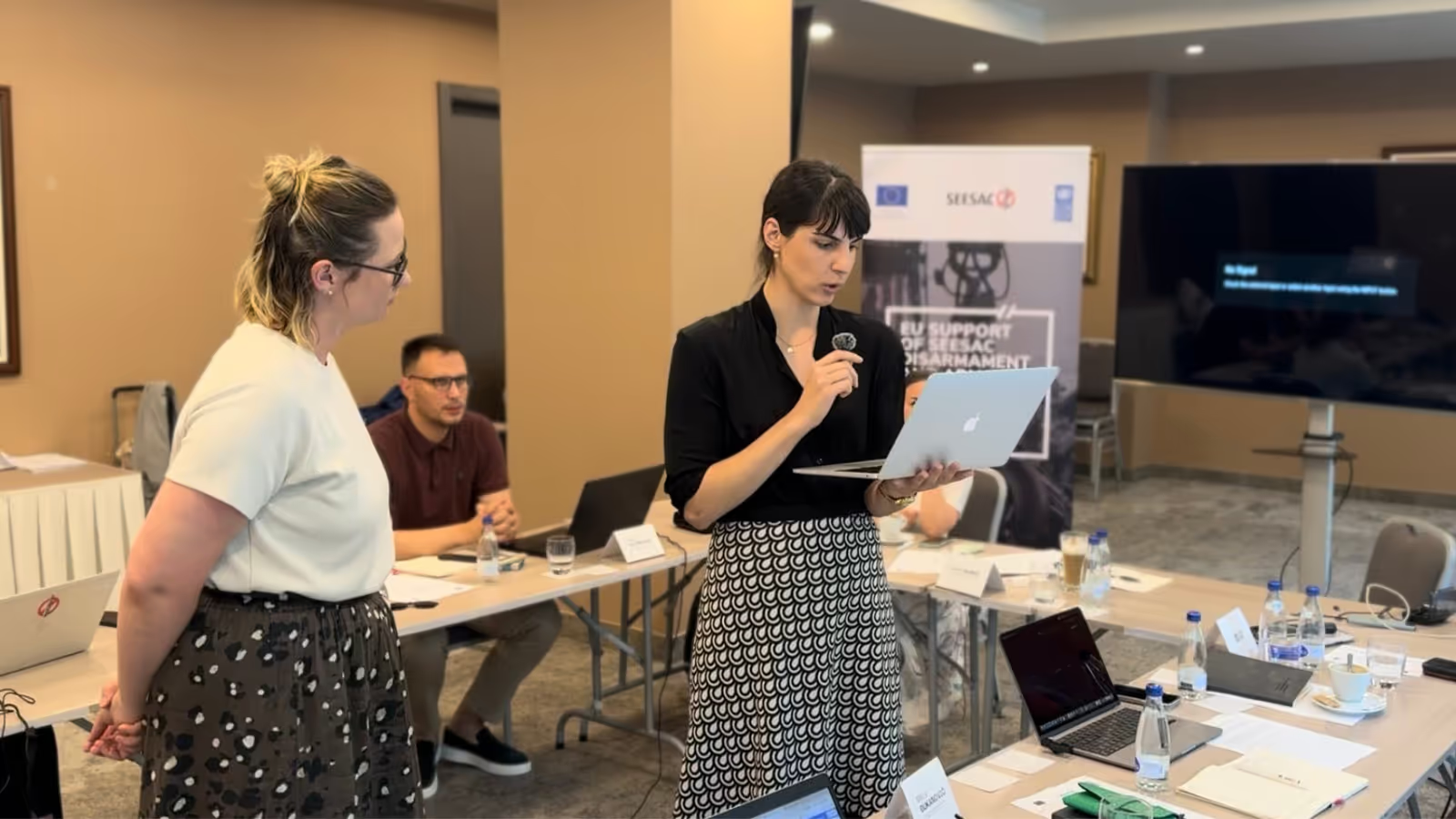
Practical training on the utilization of social media for the Ministry of Interior and Police
Significant progress was also achieved through a set of local-level capacity-building activities aimed at advancing the institutional ability to design and deliver impactful awareness initiatives.
Eight (8) local-level trainings were organized, four each in Montenegro and Bosnia and Herzegovina, focusing on campaign planning and design,
crisis communication during firearms-related incidents, public speaking, and effective use of social media.
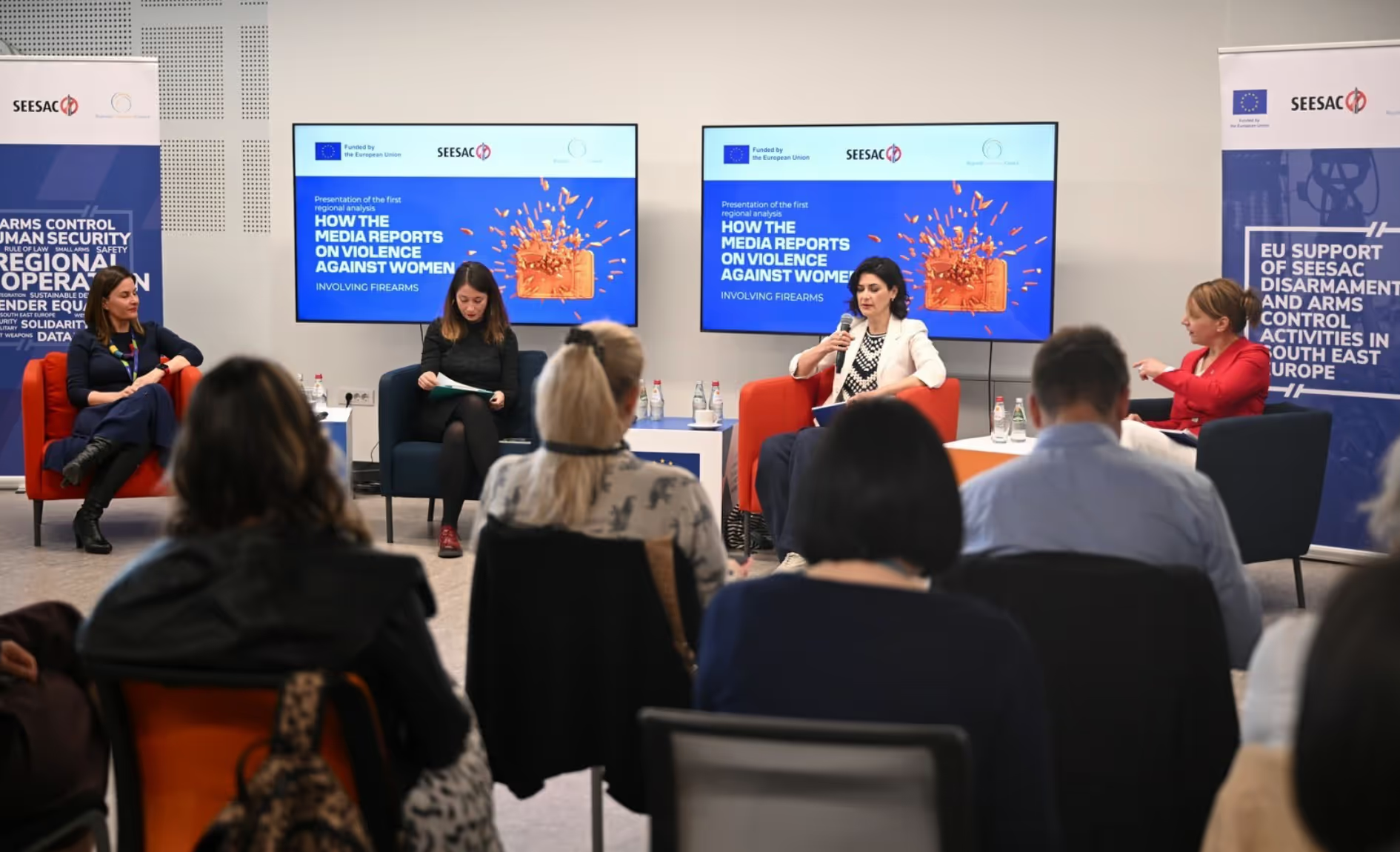
Belgrade
Presentation of the key findings and recommendations from the Analysis of Media Reporting on Firearms Misuse in Male Gender-Based Violence Against Women
Important advances were also made in improving regional knowledge and communication tools.
Key findings and recommendations from the
Analysis of Media Reporting on Firearms Misuse in Male Gender-Based Violence Against Women were
presented to the public. The Analysis contributes to more informed, ethical, and victim-sensitive reporting by the media.
The
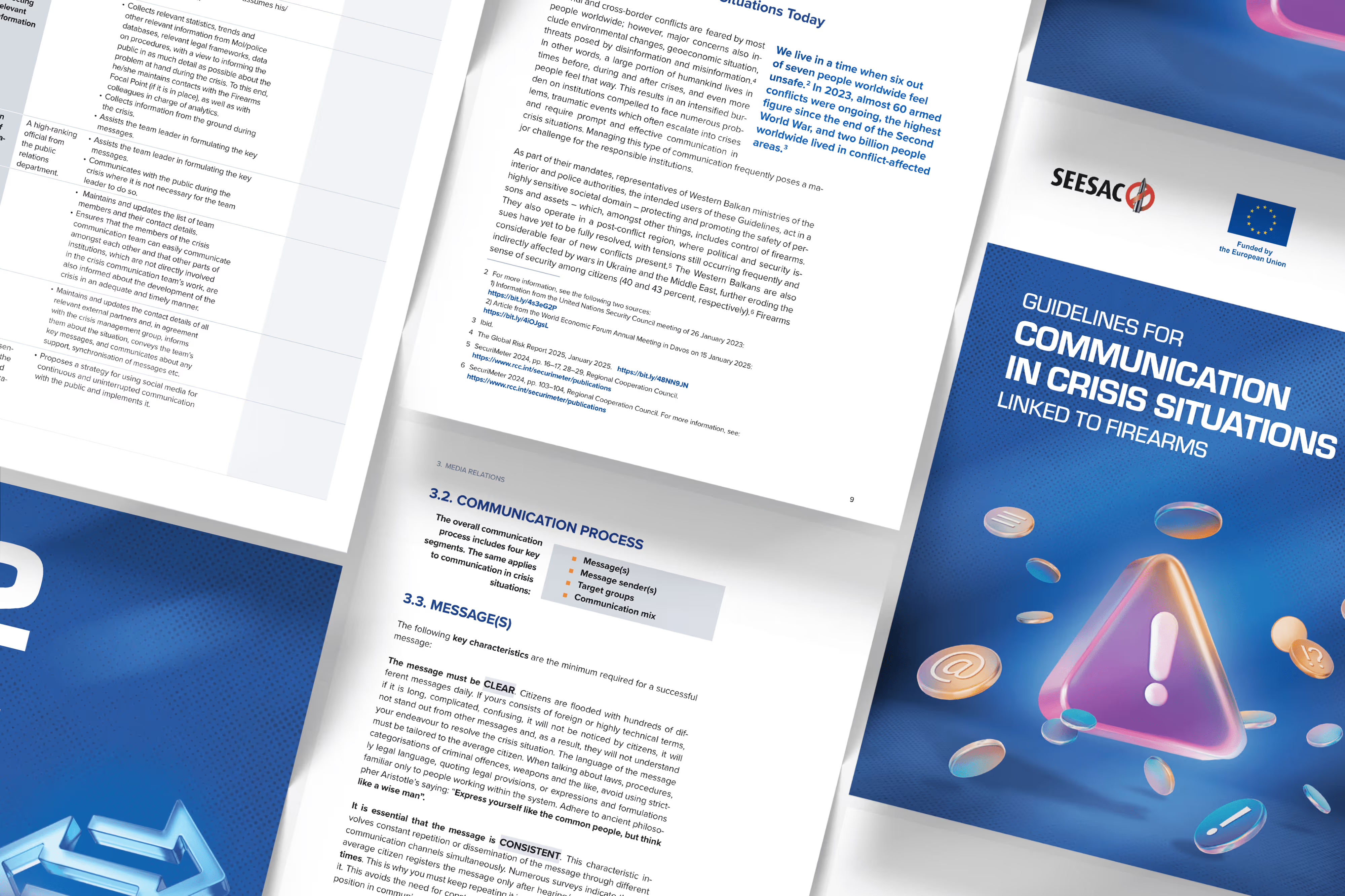
Guidelines for Communication in Crisis Situations Linked to Firearms were finalized and published, together with the
Guidelines for Effective Utilization of Social Media in Awareness-Raising Efforts. These knowledge products both respond to explicit requests for support from RAR Task Force participants and complement regional and local-level trainings.
SEESAC also continued the support of the social media aspect of a 'Celebrate with your heart, not your gun' campaign that has been ongoing in Kosovo throughout 2024 and 2025.
These interventions strengthened the region's ability to communicate effectively on SALW-related risks, promote safer behaviours, and support evidence-based violence prevention efforts.
The Western Balkans SALW Control Roadmap
Internationally acknowledged as a transformative regional framework for sustainable arms control, the
Western Balkans SALW Control Roadmap, continued to be highlighted in major regional and global forums for steering progress toward compliance by the region with EU and international security standards.
In 2025, SEESAC continued to facilitate
coordination, to
monitor the progress, and foster regional cooperation to achieve the Roadmap's goals in close cooperation with the EU, Germany and France and a large number of partners.
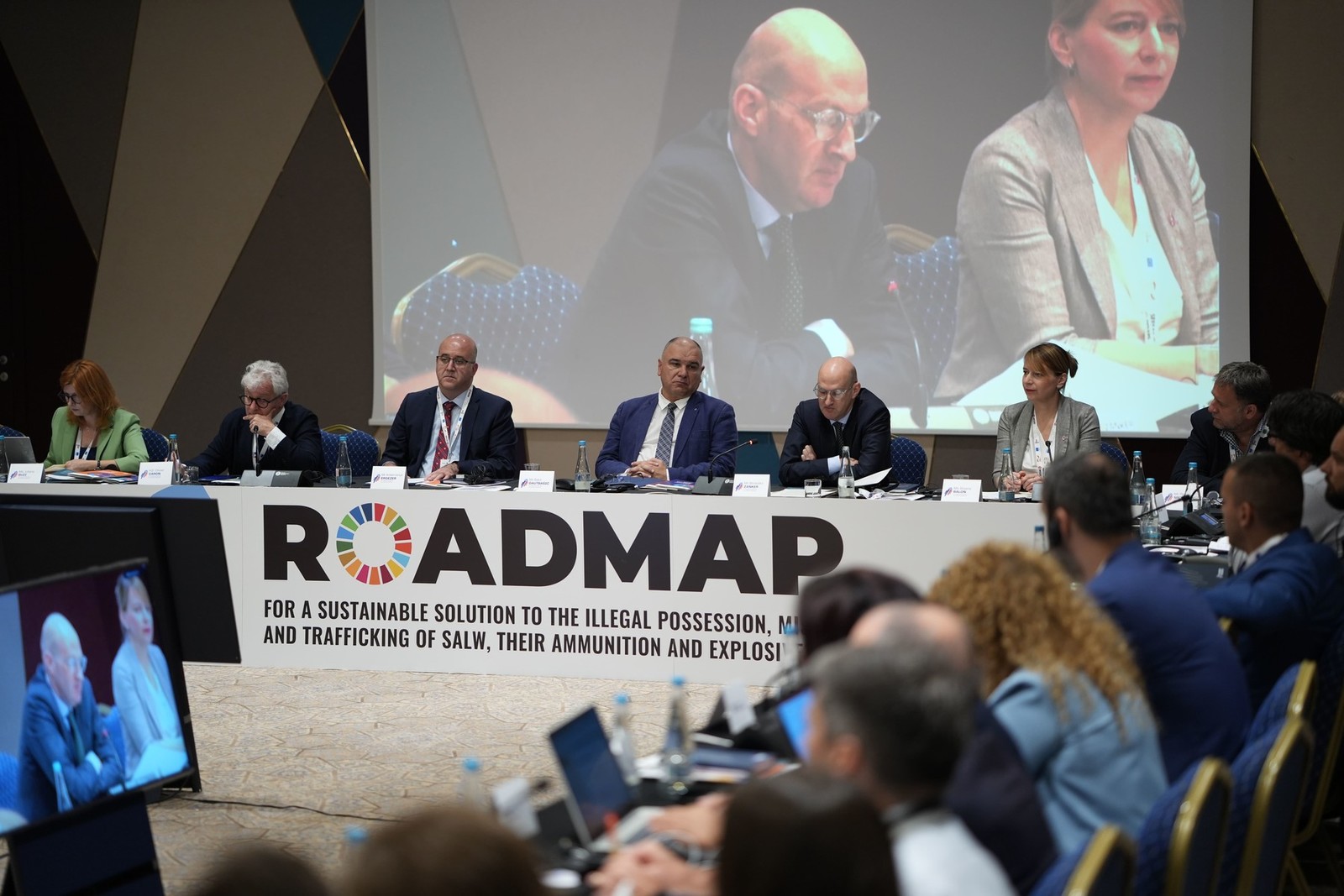
Sarajevo
13th Regional Roadmap Coordination Meeting
The
13th and
14th Regional Roadmap Coordination meetings were organized on 8-9 July and 9-10 December 2025. Preceding these gatherings, six local coordination meetings were organized in
June and November-December 2025 by the SALW Commissions in each jurisdiction and support from SEESAC.
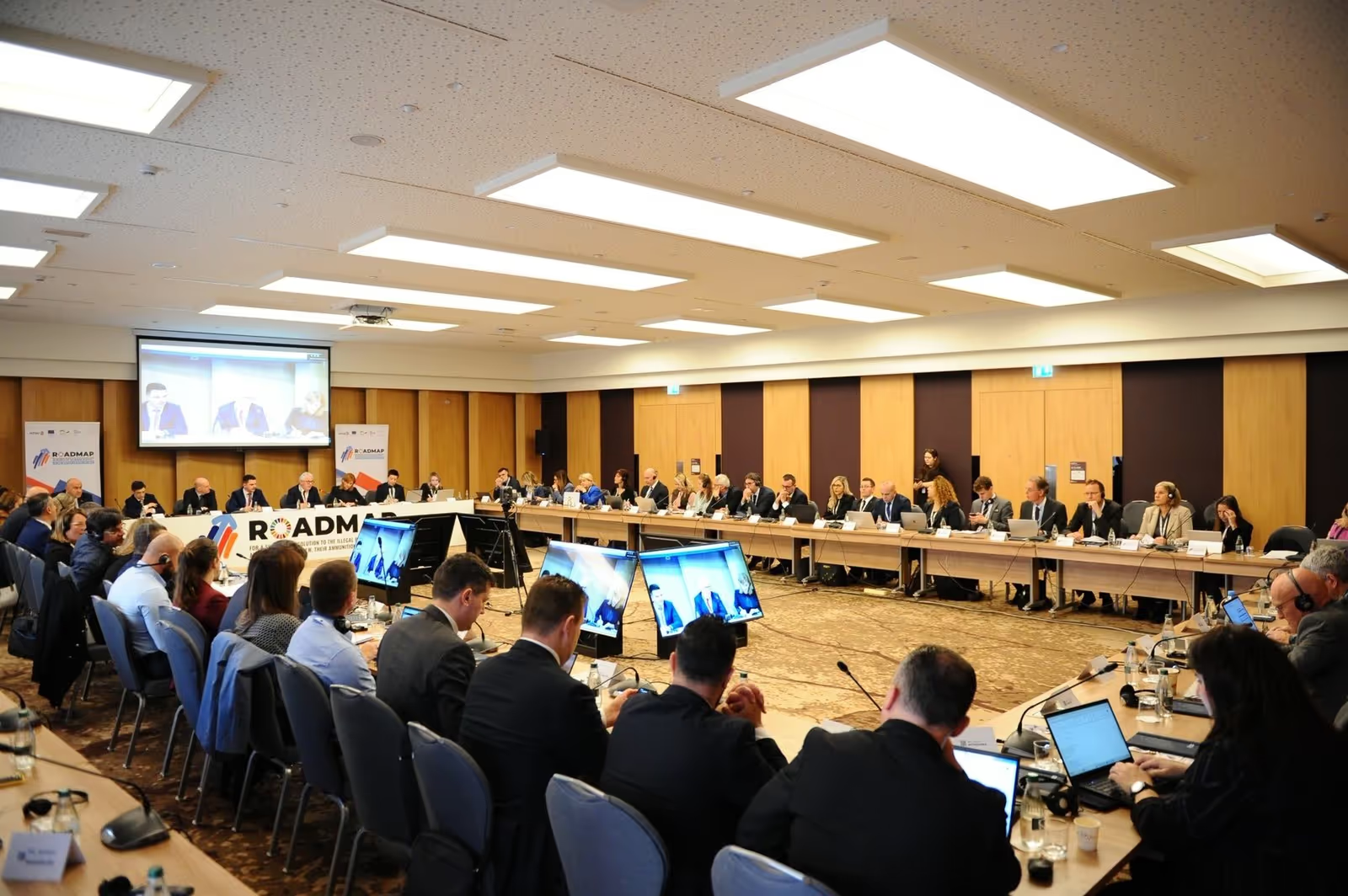
Tirana
14th Regional Roadmap Coordination Meeting
These meetings, coupled with the
13th and
14th biannual regional progress reports, allowed for a comprehensive review of progress, challenges, and future plans among government counterparts, donors, and international organizations.

Sarajevo
13th Regional Roadmap Coordination Meeting
As part of the Roadmap progress evaluation, the final review of the first phase of the Roadmap implementation was finalized with the preliminary findings and recommendations presented at the 14th Regional Roadmap Coordination Meeting.
Fostering interregional cooperation
Following the adoption of the Western Balkans Roadmap, SEESAC has facilitated several interregional exchanges among authorities dealing with SALW Control, promoting the adaptation of effective SALW control practices across regions.
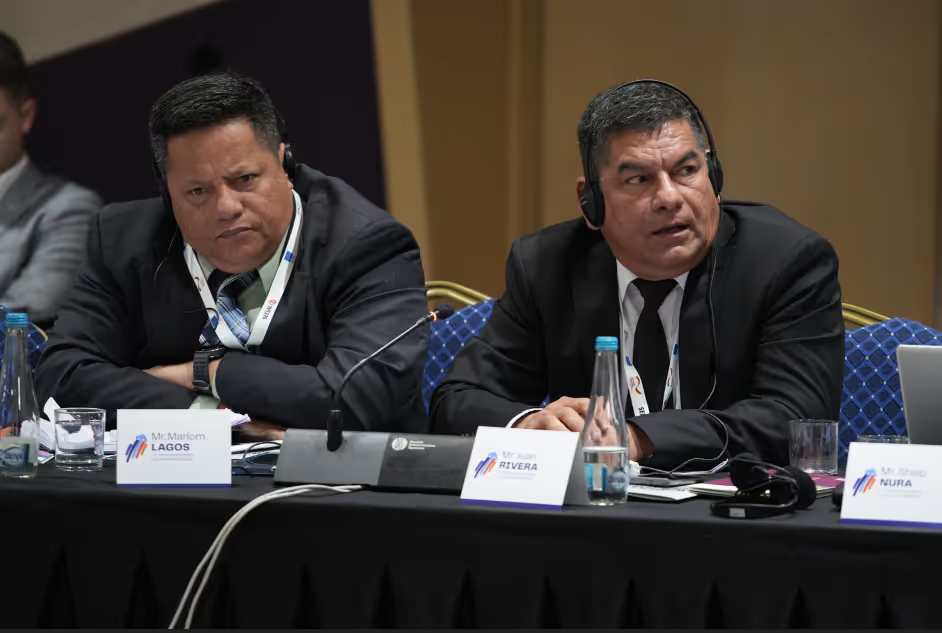
Sarajevo
Representatives from the Republic of Honduras attended the 13th Regional Roadmap Coordination Meeting
In 2025, SEESAC advanced interregional cooperation through a technical mission to the Republic of Honduras to facilitate peer learning, knowledge exchange, and the identification of adaptable practices based on the lessons learned and good practices established through the implementation of the Western Balkans SALW Control Roadmap.
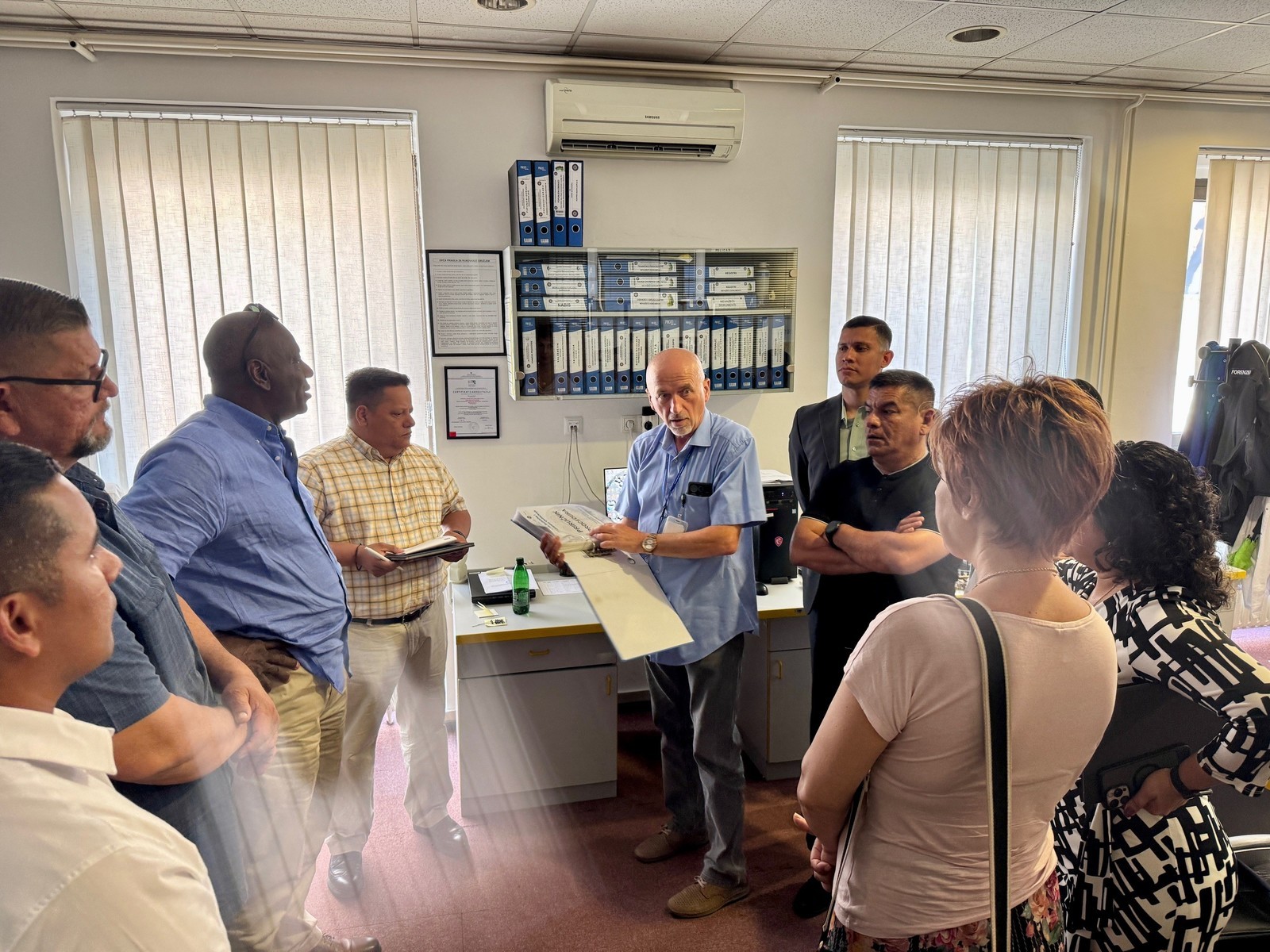
Sarajevo
Site visit to the Federation Police Directorate’s ballistic laboratory
Building on this engagement, representatives from the
Republic of Honduras conducted a
study visit to Bosnia and Herzegovina, where they participated in the
13th Regional Roadmap Coordination Meeting and the
21st Regional Meeting of SALW Commissions and met with representatives of key institutions in Bosnia and Herzegovina. The programme also included site visits to a ballistic laboratory and specific exchanges with two women police officers' associations on gender equality and leadership in policing.
Additionally, SEESAC continued supporting the development of a strategic approach to SALW control in the ASEAN region through expert support in two meetings organized in Siem Reap and Phnom Penh Cambodia in August and December 2025.
Global impact of the Western Balkans Roadmap
The regional approach of the Western Balkans has already
inspired action in several other regions. Following the development of the
Caribbean Firearms Roadmap that was adopted in 2020 following the blueprint of the Western Balkans Roadmap, a similar approach was followed by the Central America and Dominican Republic by the adoption of the
Roadmap in February 2025. Additionally, in October 2025, the development of the
Andean Community Roadmap to Prevent, Combat Illicit Trafficking in Firearms, Ammunition and Explosives was approved.
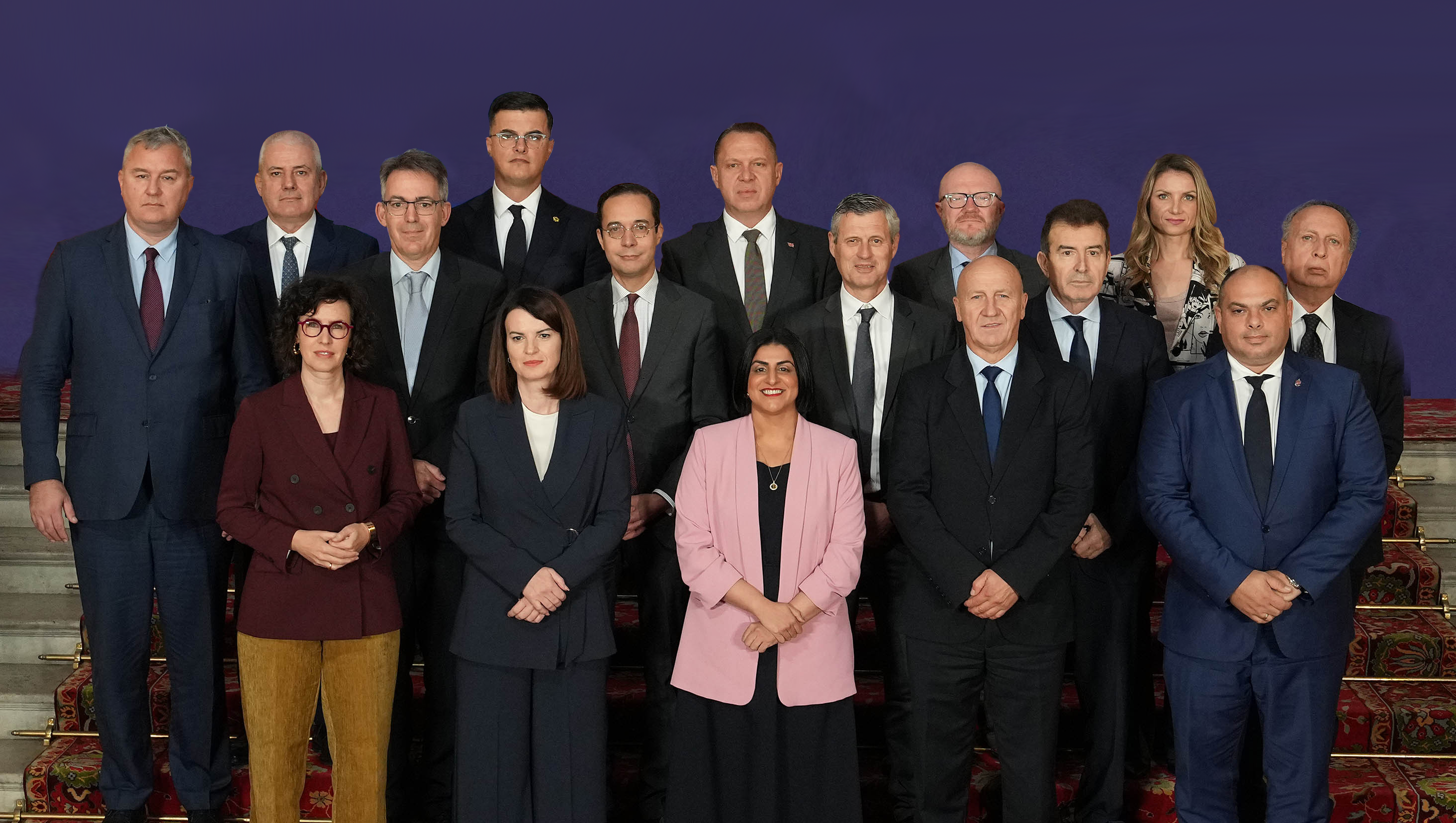
London
Ministers of Interior and Security from the Western Balkans, the United Kingdom, and representatives of the European Union at the Berlin Process Summit 2025 (Photo credits: berlinprocess.de/en/interior-ministers)
Furthermore, the impact of the Western Balkans SALW Control Roadmap and its relevance for regional cooperation and the security of Europe was acknowledged at high-level meetings such as the
Western Balkans Berlin Process Summit in London in October 2025.
Western Balkans SALW Control Roadmap Multi-Partner Trust Fund
Serving as the
Secretariat for the
Western Balkans SALW Control Roadmap Multi-Partner Trust Fund, SEESAC continued to effectively coordinate and monitor the Trust Fund's activities and support the decision-making of the Trust Fund's Steering Committee.
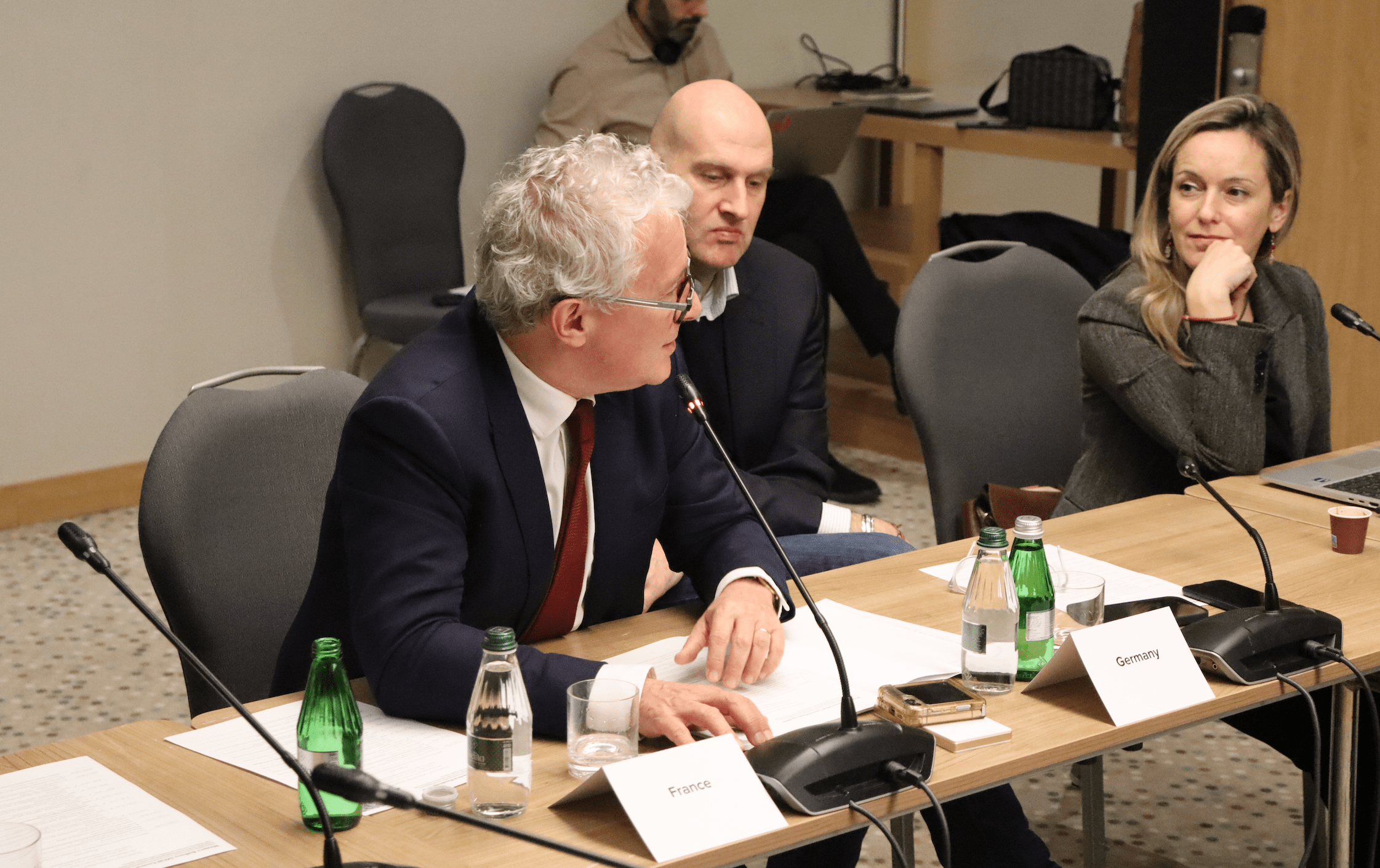
Tirana
Meeting of the Trust Fund's Steering Committee
In 2025, SEESAC facilitated the Trust Fund's Steering Committee's decision-making on six occasions. The Trust Fund's SC convened to decide on the duration of the Trust Fund, review and approve revision of the governing documents and Terms of Reference in light of the Roadmap's extension until 2030, as well as to review progress of ongoing projects and decide on new priorities for funding allocations across the region in support of the Roadmap implementation.
In May 2025, the Secretariat consolidated the
Trust Fund's annual report 2024, as well as presented the work of the Trust Fund governance bodies in 2024. The annual report was circulated on 31 May 2025 to all contributors and partners.
Building the data-driven knowledge base
SEESAC continued to strengthen the capacities of institutions in the region for evidence-based policy making through research and in-depth analysis covering various aspects of arms control, including arms exports, new technologies and threats, firearms misuse in different contexts and their impact, and the factors fueling the demand for firearms.
Key knowledge products published in 2025 included:
-
The publication
Understanding the Factors Fuelling the Demand for Firearms in the Western Balkans - Research Findings and Recommendations aims to assess risk and protective factors influencing the demand for firearms in the Western Balkans and to provide practical recommendations to guide prevention and reduction measures.
-
The
Regional Reports on Arms Exports for
2022 and
2023 were developed in partnership with Western Balkans authorities, providing insights into the main trends in arms export licensing, destinations, values, and compliance with transparency commitments across the Western Balkans.
-
Leaflets Regional
Reports on Arms Exports: Key Findings and Trends (
2018–2022 and
2019–2023), providing snapshots of the main arms export trends across the Western Balkans over a five-year period each.
-
-
Four
Regional Quarterly Armed Violence Monitors (
October–December 2024,
January–March 2025,
April–June 2025, and
July-September 2025), providing timely analysis of trends in firearm incidents across SEE.
-
Three
"In Focus" thematic reports on
weapons seizures,
domestic violence incidents, and
criminal context firearm incidents in the Western Balkans (2019–2024), with a
corresponding series prepared for South East Europe. All products were aligned with the first phase of Roadmap implementation.
-
The Misuse of Firearms in Domestic Violence in the Western Balkans: Key Trends and Main Concerns aims to contribute to the enhanced prevention of the firearms misuse in domestic violence and improved safety of women and men, girls and boys in the Western Balkans.
-
Women in SALW Control in the Western Balkans contributes to increased representation and women’s full and effective participation in SALW control in the WB.
-
The study
Armed Violence Victim Support in the Western Balkans: Brief Overview and Recommendations provides the first regional empirical insight into perceptions of support services for victims of armed violence in six Western Balkans jurisdictions.
-
Guidelines for Communication in Crisis Situations Linked to Firearms provide very specific and practical steps responsible institutions can take before, during and after a crisis in order to ensure that, in these sensitive moments, their messages are informative, relevant, trusted by the public and can dominate the general discourse in the face of widespread mis- and disinformation.
The following knowledge products were completed:
-
Guidelines for More Effective Social Media Use in Firearms-Related Awareness-raising Activities – Voice of Institutions in Service of Citizens aims to present institutions with a different approach to using social media - one exploiting its two-way communication capacities and tailored to address issues relevant to the public.
-
Preventing Armed Violence - Mapping of good practices to collate and disseminate knowledge on effective prevention and intervention measures, emphasizing the need for a multi-faceted approach that includes international cooperation, policy reforms, law enforcement, community engagement, and education.
-
Drones, A Study on Applications, Regulations, and Security Implications in the Western Balkans, provides comprehensive information on the application, regulation and security implications around the use and threats of drones within the Western Balkan region.
Together, these tools strengthened institutional capacities for data-driven policymaking and trend analysis.
[1] For the United Nations Development Programme, references to Kosovo shall be understood to be in the context of Security Council resolution 1244 (1999). For the European Union, this designation is without prejudice to positions on status, and is in line with UNSCR 1244/1999 and the ICJ Opinion on the Kosovo declaration of independence.