Integrating a gender perspective into SALW Control
In 2025, significant progress was made in integrating a gender perspective into SALW control across the Western Balkans, in particular to strengthen institutional capacities in implementing strategic commitments on mainstreaming gender in SALW control at the operational level.
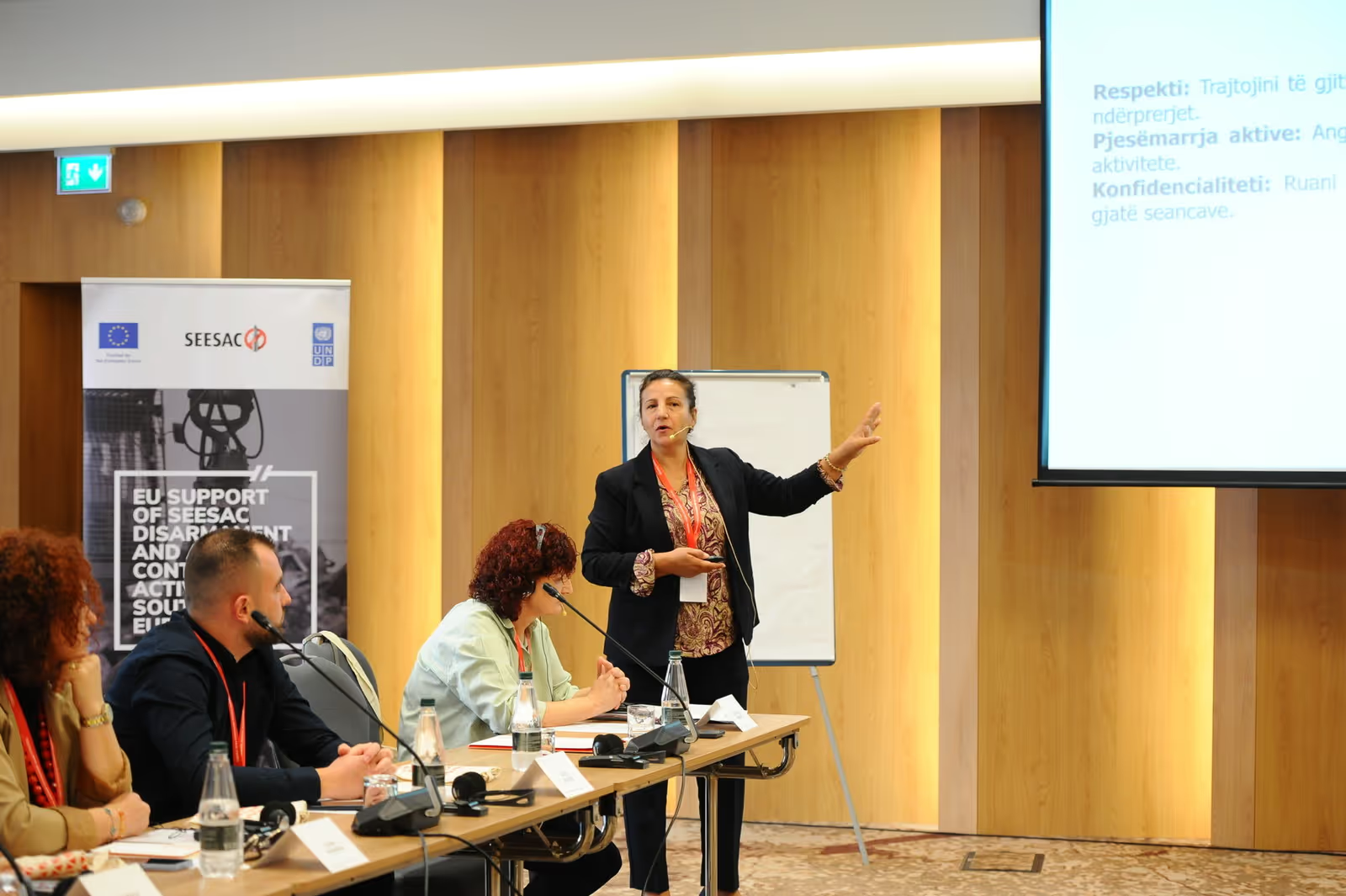
Tirana
Peer-led trainings by trainers from the Albanian State Police, who had previously went through SEESAC's regional Training of Trainers (ToT) programs
Jurisdiction trainings on the
Guidelines for Gender-Responsive Firearms Licensing and
Risk Assessment in Cases of Domestic Violence were delivered by police officers who completed SEESAC's Training of Trainers (ToT) in 2024, following dedicated online and in-person preparatory meetings with expert support. The trainings were attended by 133 police officers working on domestic violence cases and professionals handling firearm license approvals in Montenegro, Kosovo
[1], North Macedonia, Albania, and Bosnia and Herzegovina.
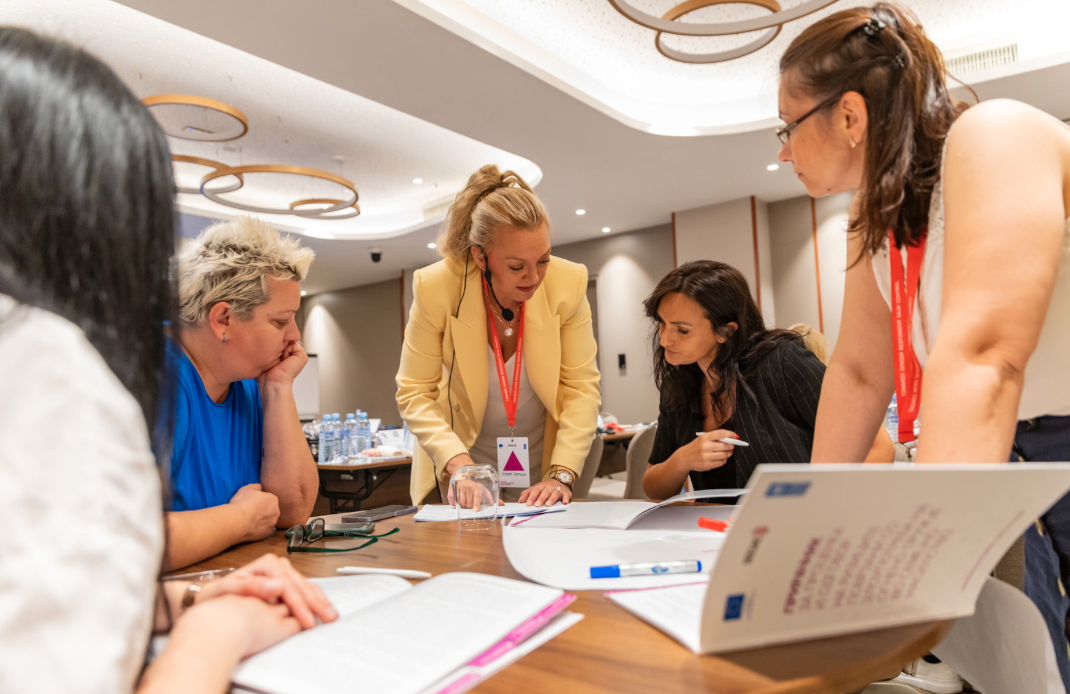
Skopje
Peer-Led Trainings to Prevent Firearms Misuse in Domestic Violence context
Continued support at the policymaking level included a Gender Coach Programme tailored to and organized for the Head of Montenegro's SALW Commission, enabling a better understanding of the links between arms control and gender considerations. Additionally, a workshop on gender mainstreaming in SALW control was conducted for the Gender Equality Coordination Board in Bosnia and Herzegovina and for the members of the SALW Commission in Montenegro.
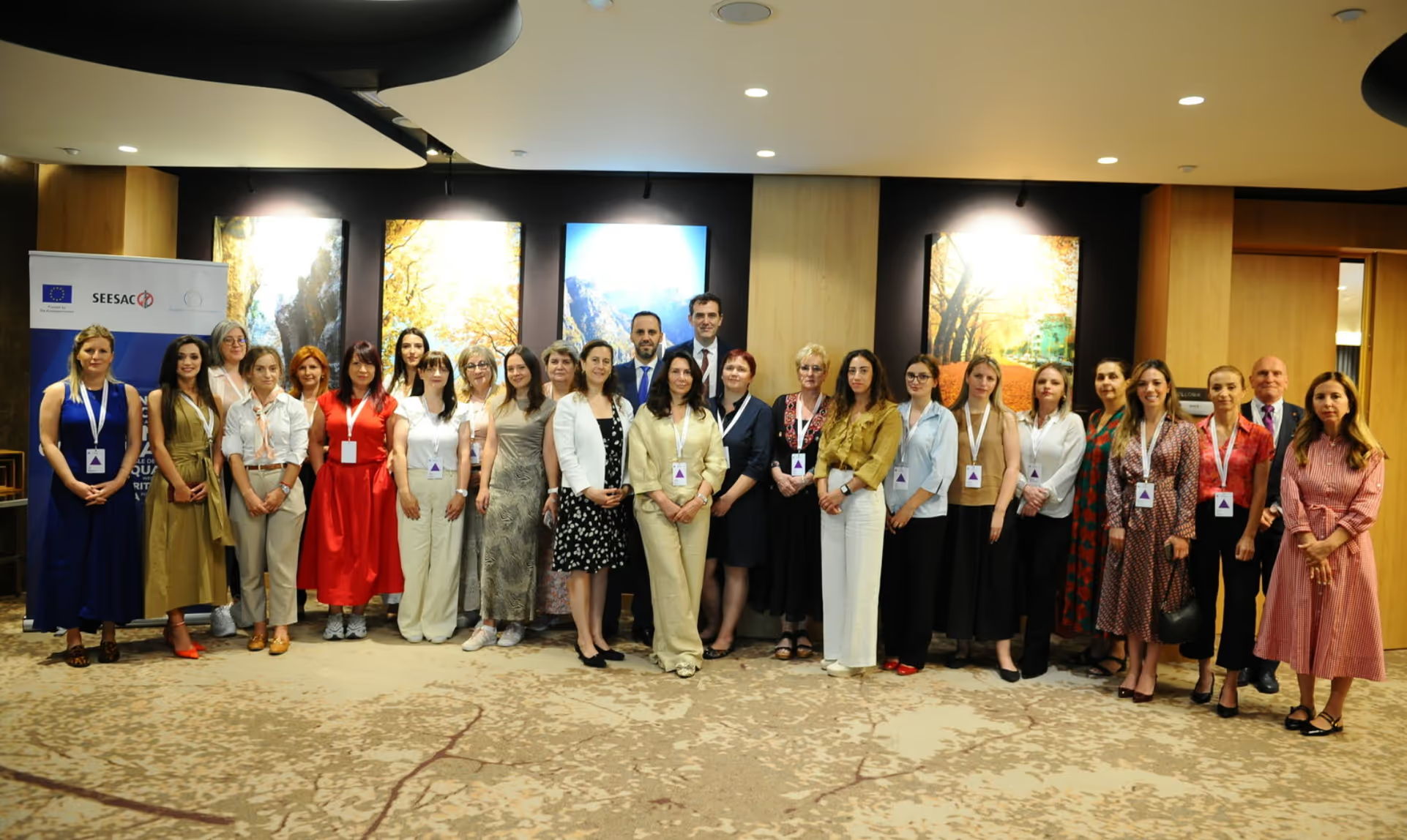
Tirana
Regional workshop on Gender and SALW with representatives of 18 women's organizations from the Western Balkans
Regional cooperation and information sharing among civil society organizations was strengthened in 2025 through a dedicated
Regional Workshop for Women's CSOs with specific focus on Gender and SALW. The workshop held in Tirana gathered 18 organisations from across the Western Balkans. The women's CSOs from the region were further connected with the global
Gender Equality Network for SALW Control (GENSAC) enabling complementing ongoing work on strengthening the inclusion of women's CSOs.
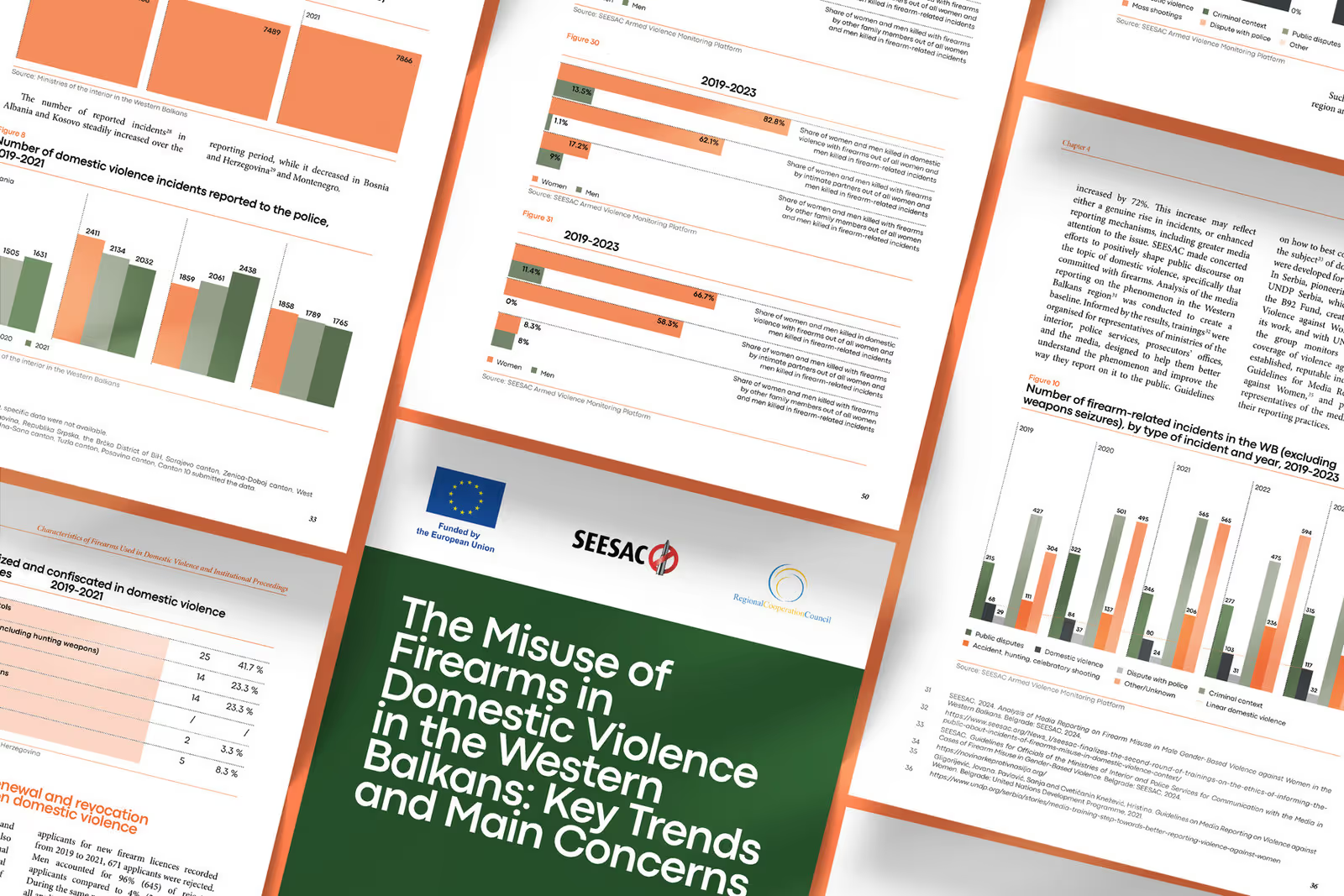
Two regional studies, conducted in cooperation with the institutions of the Western Balkans and finalized this year, provided comprehensive insights into the impact of firearms in domestic violence highlighting its gender-based nature (
Regional Analysis on Institutional Response to Firearms Misuse in Domestic Violence), as well as insights into women's role in SALW control field, their contributions, and challenges to a gender-balanced participation in this field (
Regional Analysis on Women in SALW Control). A
Paper on Sustainable Gender Mainstreaming, recently developed, shares experiences from the region based on SEESAC's extensive efforts to practically mainstream gender in SALW control
[1] For the United Nations Development Programme, references to Kosovo shall be understood to be in the context of Security Council resolution 1244 (1999). For the European Union, this designation is without prejudice to positions on status, and is in line with UNSCR 1244/1999 and the ICJ Opinion on the Kosovo declaration of independence.